

5 Mistakes People Make When Storing a Vehicle Outdoors (And How to Avoid Them)
Outdoor vehicle storage gets blamed for a lot of things.
Rust. Dead batteries. Flat tires. Moldy interiors. But here’s the reality:
Most of that damage doesn’t happen because a vehicle was stored outside.
It happens because it was stored incorrectly. A few small mistakes at the beginning can quietly turn into expensive repairs months later. And the frustrating part is that most of them are completely preventable.
According to Kelley Blue Book, long-term vehicle storage problems are usually tied to poor preparation and maintenance, not simply the fact that a vehicle was parked outdoors.
That’s good news, because it means protecting your vehicle is often much simpler than people think. In this guide, we’ll walk through the most common mistakes people make when storing a vehicle outdoors and, more importantly, how to avoid them.
If you haven’t read our complete outdoor storage guide yet, start here:
👉 https://www.fmstorage.ca/blog/how-to-store-a-vehicle-outside-without-damage/
Mistake #1 – Skipping Proper Cleaning Before Storage
This is probably the most underestimated mistake on the list.
Because at first glance, skipping a wash doesn’t seem like a big deal.
But dirt, road salt, moisture, bugs, and debris don’t just sit harmlessly on your vehicle while it’s stored. Over time, they slowly wear away at surfaces, trap moisture, and create the perfect environment for corrosion. And if you live somewhere with harsh winters like Fort McMurray, road salt makes this even more important.
According to the Canadian Automobile Association (CAA), salt buildup is one of the leading causes of vehicle rust and long-term corrosion in Canada.
Where Most People Go Wrong
Usually, people do one of two things:
- they skip cleaning entirely
- or they wash the exterior but ignore the interior
The problem is that interior damage can be just as costly.
Food crumbs, moisture, and even small scents left behind can attract rodents surprisingly quickly. And once pests get inside a stored vehicle, they can damage wiring, upholstery, and insulation before you even realize there’s an issue.
A Better Approach
Before storing your vehicle outdoors:
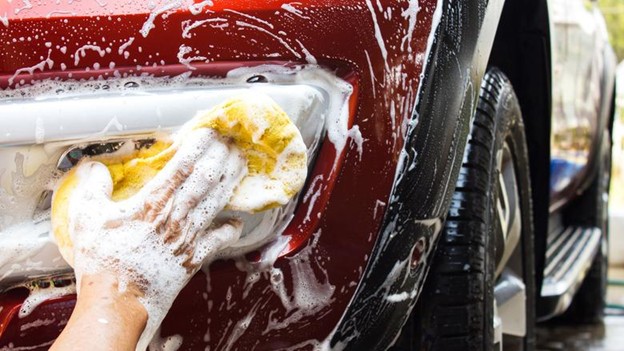
- Wash the exterior thoroughly
- Pay attention to wheel wells and undercarriage
- Dry the vehicle completely
- Vacuum and wipe down the interior
- Remove all food, wrappers, and scented items
If you want a full breakdown of vehicle prep steps, this guide goes deeper into the process:
👉 https://www.fmstorage.ca/blog/how-to-prepare-your-vehicle-for-long-term-storage/
You can also find additional preparation tips from Edmunds here:
👉 https://www.edmunds.com/car-maintenance/how-to-prep-your-car-for-long-term-storage.html
As automotive experts at Consumer Reports explain:
“Cleaning and preparing your vehicle properly before storage is one of the most effective ways to prevent long-term deterioration.”
And honestly, they’re right. A clean vehicle simply ages better in storage than a neglected one.
The Bottom Line
Most long-term storage problems start small. Cleaning your vehicle properly is one of the easiest ways to stop those problems before they begin.
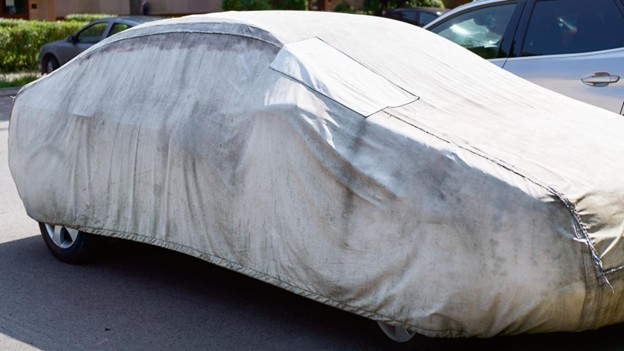
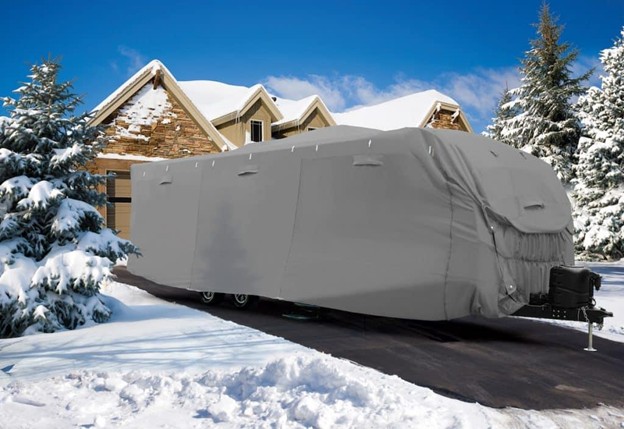
Mistake #2 – Using the Wrong Cover (or No Cover at All)
A lot of people assume any cover is better than no cover. That’s not always true. In fact, the wrong cover can sometimes create more problems than it solves.
What Happens Without Protection
When a vehicle sits exposed outdoors for long periods, it takes constant wear from:
- UV rays
- rain and snow
- wind-blown debris
- temperature swings
Over time, that exposure can lead to faded paint, cracked trim, dried seals, and moisture-related damage.
According to AAA, prolonged UV exposure can significantly accelerate exterior and interior deterioration, especially during warmer months.
The Problem With Cheap Covers
This is where things get tricky. Low-quality covers often
- trap moisture underneath
- fit loosely and rub against paint
- break down quickly in harsh weather
Instead of protecting the vehicle, they create condensation and friction, which is exactly what you’re trying to avoid.
What You Actually Want
A proper outdoor storage cover should be:
✔ Breathable
✔ Weather-resistant
✔ Securely fitted
✔ Durable enough for long-term exposure
Think of it less like wrapping your vehicle up and more like creating a protective barrier that still allows airflow.
One Thing Most People Forget
Even with a good cover, where you park still matters.
Try to avoid:
- low spots where water collects
- areas directly under trees
- locations with heavy debris exposure
A clean, maintained storage area goes a long way toward reducing wear over time.
If you’re evaluating storage security and site quality overall, this guide is worth checking out:
👉 https://www.fmstorage.ca/blog/top-10-security-features-for-self-storage-facilities/
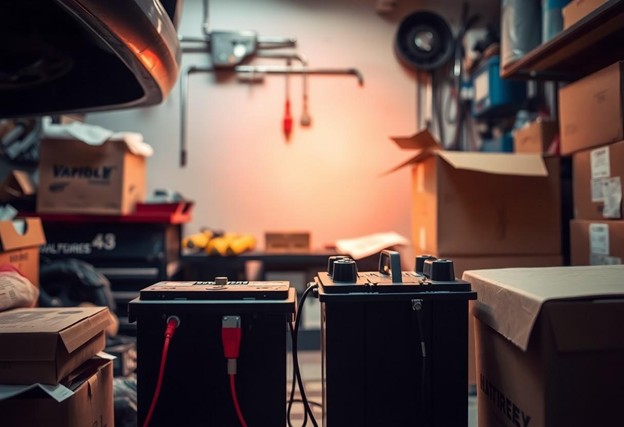
Mistake #3 – Ignoring Battery Maintenance
This is one of those mistakes that feels harmless in the moment. You park the vehicle. Lock it up. Walk away. Then a few months later, you come back, turn the key…
Nothing.
Battery problems are one of the most common headaches with outdoor vehicle storage, especially in colder climates. Even when a vehicle is not being driven, the battery can slowly lose charge over time. Cold weather only makes the problem worse.
According to AAA, extreme temperatures can reduce battery performance and shorten battery life, which is why battery care matters so much during long-term storage.
Why Batteries Die in Storage
Most vehicles still draw a small amount of power even when they are turned off. Things like clocks, alarms, onboard computers, and security systems can slowly drain the battery. It may not seem like much week to week. But over a full season, it adds up.
How to Avoid It
You have two good options:
Option 1: Disconnect the battery
This is simple, affordable, and works well for many vehicles in storage.
Option 2: Use a battery maintainer
A battery maintainer keeps the battery charged without overcharging it, making it a smart choice for longer storage periods.
Before storing your vehicle, it also helps to make sure the battery is fully charged and the terminals are clean. A little prep here can save you from replacing a battery later.
If you’re storing an RV, this guide goes deeper into cold-weather battery care:
👉 https://www.fmstorage.ca/blog/winterizing-your-rv-batteries/
Battery maintenance is easy to forget because you don’t see the problem until later.
But a few minutes of preparation can save you from a frustrating and avoidable issue when you’re ready to use your vehicle again.
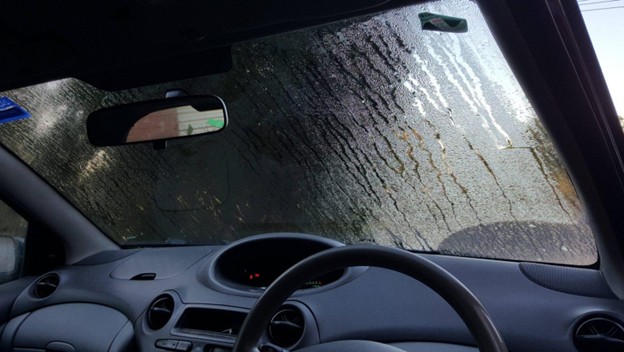
Mistake #4 – Not Protecting Against Moisture
Moisture is sneaky.
It does not need a major leak to cause damage. Sometimes, all it takes is condensation, trapped humidity, or a vehicle that was stored before it was fully dry. And once moisture gets comfortable, it can lead to problems fast.
What Moisture Can Do
Moisture can cause:
- rust on metal components
- mold and mildew inside the cabin
- musty odours
- damage to upholstery and carpets
- electrical issues over time
This is why simply covering a vehicle is not enough. You also need airflow and moisture control.
The Common Mistake
Many people seal the vehicle up too tightly. They close everything, cover everything, and assume they’re protecting it. But if moisture is already inside, it gets trapped. That trapped moisture can slowly create exactly the kind of damage they were trying to prevent.
How to Avoid It
Before outdoor storage:
- make sure the vehicle is completely dry
- use moisture absorbers inside the cabin
- avoid leaving wet floor mats or damp items inside
- use a breathable cover instead of a plastic tarp
- check the vehicle periodically if storing long-term
For more seasonal storage advice, you can also reference this FM Storage guide:
👉 https://www.fmstorage.ca/blog/seasonal-storage-hacks/
If your vehicle smells damp when you open the door, that’s usually a warning sign. Do not ignore it. A musty smell often means moisture is building up somewhere, and it’s much easier to fix early than after mold has spread.
Moisture damage is one of the easiest things to prevent, but one of the most annoying things to fix. Control moisture before storage, and you protect the interior, electronics, and long-term value of your vehicle.
Final Thoughts: Small Mistakes Can Lead to Big Costs
Outdoor vehicle storage can be a smart, practical solution.
It gives you space, flexibility, and a more affordable way to store vehicles, RVs, trailers, and boats. But like anything else, it only works well when it’s done properly.
Most storage problems don’t happen because a vehicle is outside.
They happen because small steps were missed.
A battery wasn’t disconnected.
A cover trapped moisture.
Food was left inside.
The vehicle sat too long without being checked.
The storage location wasn’t secure.
None of these mistakes seem huge in the moment, but over time, they can lead to expensive repairs and unnecessary frustration.
The good news is that you don’t need a complicated plan to avoid them. You just need to clean the vehicle, protect it from weather, manage moisture, care for the battery, and choose a secure location.
Do that, and outdoor storage becomes much less stressful.
It becomes simple, practical, and reliable.
Ready to Store Your Vehicle With Confidence?
At FM Storage, we make outdoor vehicle storage easier by focusing on what matters most: security, access, and convenience.
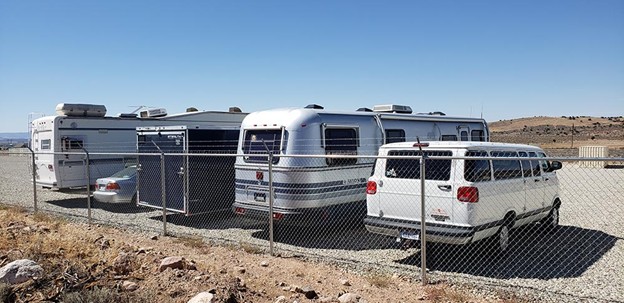
Our facility offers a fenced perimeter, gated access with personalized codes, 24-hour lighting, and space designed for larger vehicles like RVs, trailers, boats, and commercial vehicles.
That means you can store your vehicle without worrying about whether it’s sitting in the wrong place.
You still need to prep it properly, of course.
But once that’s done, you’ll have a secure and accessible place to keep it until you’re ready to use it again.
For more storage tips, you can also explore:
- https://www.fmstorage.ca/blog/the-rv-storage-survival-guide-10-steps-to-keep-your-rv-safe-all-winter/
- https://www.fmstorage.ca/blog/5-costly-rv-storage-mistakes-to-avoid/
- https://www.fmstorage.ca/blog/how-to-protect-your-belongings-understanding-insurance-options-for-your-stored-items/
Need secure outdoor vehicle storage in Fort McMurray?
Visit https://www.fmstorage.ca/ to explore your options and reserve your space.