
How to Store a Vehicle Outside Without Damage (Complete Guide)
Most people assume storing a vehicle outside is a bad idea. They picture faded paint, dead batteries, rust creeping in, and a car that won’t start when they need it.
And to be fair… that can happen.
But here’s the truth:
Outdoor storage isn’t the problem. Poor preparation is.
If you take the right steps and store your vehicle in a secure, well-maintained facility, you can keep your car, truck, RV, or trailer in excellent condition for months (or even longer).
In fact, with proper prep, outdoor storage is one of the most cost-effective and practical options, especially for larger vehicles like RVs and trailers.
According to Kelley Blue Book, many long-term storage issues, like battery failure, tire damage, and corrosion, are caused by a lack of preparation, not the storage type itself.
And that’s exactly what this guide is going to fix.
We’ll walk through:
- What actually damages vehicles in outdoor storage
- How to prevent it step-by-step
- What to look for in a storage facility
If you want a deeper dive into vehicle prep before storage, you can also check out our guide on
👉 https://www.fmstorage.ca/blog/how-to-prepare-your-vehicle-for-long-term-storage/
Let’s start with the biggest question people have.

Is It Safe to Store a Vehicle Outside?
Short answer? Yes—if you do it right.
Long answer? Most damage people blame on “outdoor storage” actually comes down to three things:
- no preparation
- poor protection
- insecure storage locations
Let’s break that down.
When Outdoor Storage Works Really Well
Outdoor storage is a great option when:
- your vehicle is properly cleaned and prepped
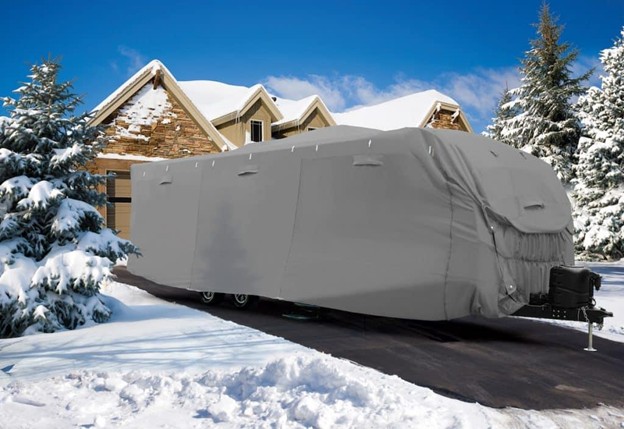
- you use a high-quality cover (not a cheap one)
- moisture is controlled
- the facility is secure and well-maintained
This is especially true for:
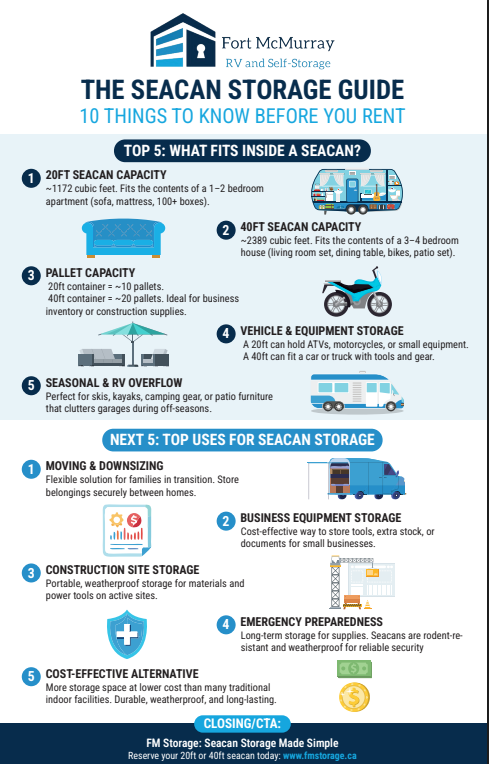
- RVs
- trailers
- boats
- secondary vehicles
In fact, outdoor storage is often the preferred option for larger vehicles due to space and accessibility.
When It Goes Wrong (And Why)
Here’s where people run into trouble:
- Leaving dirt and road salt on the vehicle
- Letting the battery sit untouched for months
- Using non-breathable covers that trap moisture
- Parking in unsecured areas
That’s when you start seeing the following:
- rust
- mold
- dead batteries
- cracked tires
According to Consumer Reports, moisture buildup and battery neglect are among the top causes of vehicle damage during storage.
As automotive experts at Consumer Reports explain:
“Preparing your vehicle properly for storage is the most important factor in preventing damage, far more than where it’s stored.”
That’s the key takeaway.
👉 It’s not indoor vs. outdoor.
👉 It’s prepared vs. unprepared.
If you’re storing a vehicle in Fort McMurray, outdoor storage is often the most practical and affordable option. The goal isn’t to avoid outdoor storage. The goal is to do it properly. And that starts with step one.
Step 1 – Clean Your Vehicle Properly Before Storage
This is the step almost everyone rushes. And it’s one of the biggest mistakes you can make. Because what’s on your vehicle right now, dirt, salt, moisture, doesn’t just sit there. It slowly breaks it down.
Start With the Exterior (This Matters More Than You Think)
If your vehicle has been driven recently, it’s carrying:
- road salt
- grime
- oil residue
- debris
All of that accelerates corrosion.
So before storage:
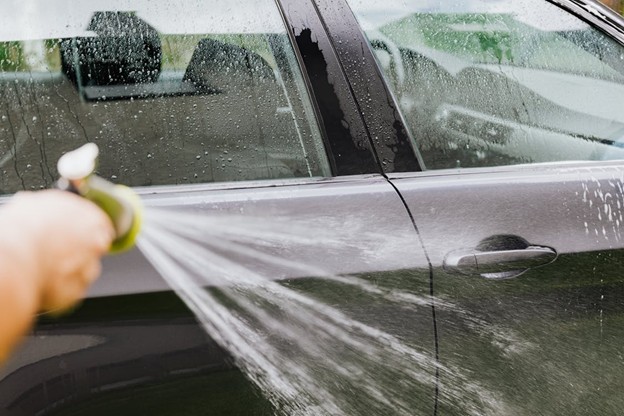
- Wash the entire vehicle thoroughly
- Pay extra attention to wheel wells and undercarriage
- Dry it completely (don’t skip this part)
- Apply a coat of wax for protection
If you want a more detailed breakdown of prep steps, this guide from Edmunds is worth a quick read:
👉 https://www.edmunds.com/car-maintenance/how-to-prep-your-car-for-long-term-storage.html
Now the Interior (Where Problems Quietly Start)
This is where things get overlooked. And it’s where pests and mold begin.
Before storing your vehicle:
- Remove ALL food and garbage
- Vacuum carpets and seats
- Wipe down surfaces
- Clean out compartments and glove box
Even something small, like a granola bar wrapper, can attract rodents. If you’re storing for an extended period, this step alone can save you from a major headache.
Quick Checklist (Save This)
Before you store your vehicle, make sure:
Why This Step Matters Long-Term
Think of it this way: You’re not just cleaning your vehicle; you’re pressing pause on deterioration. A clean, dry vehicle:
- resists rust
- avoids mold
- deters pests
- holds its value better
Want to Go Deeper?
We cover this in more detail in our full prep guide:
👉 https://www.fmstorage.ca/blog/how-to-prepare-your-vehicle-for-long-term-storage/
And if you’re storing an RV specifically, this guide will help you avoid common mistakes:
👉 https://www.fmstorage.ca/blog/5-costly-rv-storage-mistakes-to-avoid/
Now that your vehicle is clean and protected, the next step is making sure the weather doesn’t undo all that work.

Step 2 – Protect Against Weather Damage
If you only remember one thing from this guide, make it this: Weather is your biggest enemy in outdoor storage.
Sun, rain, snow, and wind don’t destroy vehicles overnight. They do it slowly… quietly… over time.
- UV Rays → Fade paint, crack dashboards, damage interiors
- Rain & Snow → Lead to moisture buildup and rust
- Wind & Debris → Cause scratches, wear, and buildup
According to Kelley Blue Book, exposure to sun and moisture over time can significantly reduce a vehicle’s condition and resale value.
The Simple Fix Most People Get Wrong
A car cover. Sounds basic—but here’s where people mess up:
- They buy cheap plastic covers
- They trap moisture underneath
- They end up causing damage instead of preventing it
How to Choose the Right Cover
Here’s what you actually want:
✔ Breathable fabric (prevents moisture buildup)
✔ Weather-resistant (handles rain and snow)
✔ Proper fit (loose covers flap and scratch paint)
Avoid anything that feels like a tarp. If you’re storing long-term, a quality cover is one of the best investments you can make.
Even with a cover:
- Park facing away from the prevailing wind
- Avoid trees (sap + debris = problems)
- Choose a clean lot
That last one matters more than people think. If you want to understand how facility conditions impact your belongings overall, this is worth a read:
👉https://www.fmstorage.ca/blog/disaster-proof-storage-how-to-keep-your-belongings-safe-from-fire-flood-and-theft/
Step 3 – Prevent Moisture, Mold, and Rust
Here’s the part most people don’t think about. Moisture doesn’t need rain to cause damage. It builds up from:
- temperature changes
- trapped air
- condensation
And once it starts, it spreads fast.
Why Moisture Is So Dangerous
Moisture leads to:
- mold inside your vehicle
- corrosion on metal components
- electrical issues
- musty smells that don’t go away
According to Consumer Reports, moisture buildup is one of the most common causes of long-term vehicle damage during storage.
You don’t need anything complicated; you just need to be intentional.
Use Moisture Absorbers.
- Silica gel packs
- DampRid or similar products
- Place them inside the cabin
Create Light Airflow
- Crack windows slightly (if safe to do so)
- Avoid sealing the vehicle airtight
Dry Before Storage
- Never store a wet vehicle
- Even small amounts of moisture lead to long-term issues
Where to Watch Closely
Moisture tends to build up in:
- carpets
- trunk space
- under seats
- dashboard areas
If you’ve ever opened a stored vehicle and smelled that “damp” scent, that’s what we’re preventing.
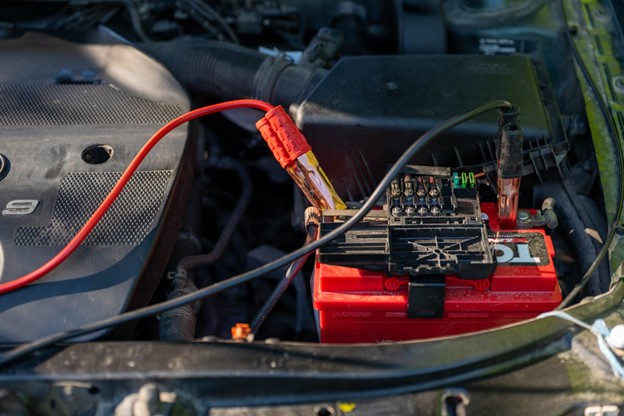
Step 4 – Take Care of the Battery
Nothing’s worse than coming back to your vehicle, turning the key, and hearing absolutely nothing. A dead battery.
Why Batteries Fail in Storage
Even when a vehicle isn’t running, the battery:
- slowly drains
- loses charge in cold weather
- degrades over time
According to AAA, extreme temperatures, especially cold, can significantly reduce battery performance and lifespan. You’ve got two simple choices:
Option 1: Disconnect the Battery
- Prevents slow drainage
- Simple and effective
- Best for shorter storage periods
Option 2: Use a Battery Maintainer
- Keeps battery at optimal charge
- Ideal for long-term storage
- Prevents complete discharge
Cold Weather Tip (Important in Fort McMurray)
Cold temperatures don’t just drain batteries. They slow chemical reactions inside them, making it harder to start your vehicle later. That’s why battery care matters even more in winter.
If you’re storing an RV or larger vehicle, this guide dives deeper into battery care:
👉 https://www.fmstorage.ca/blog/winterizing-your-rv-batteries/
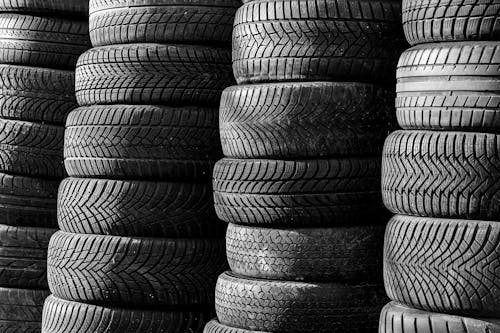
Step 5 – Protect Your Tires
Tires are one of the most overlooked parts of vehicle storage. And one of the most commonly damaged.
What Happens When a Vehicle Sits Too Long
When your vehicle stays in one spot for weeks or months:
- weight presses down on the same tire surface
- rubber slowly loses elasticity
- flat spots begin to form
You might not notice it right away, but when you drive again, you’ll feel it. Vibration. Uneven wear. Reduced lifespan. According to Michelin, tires can develop flat spots even after just a few weeks of inactivity, especially in colder temperatures.
How to Prevent Tire Damage
You don’t need anything complicated, just a few smart steps:
1. Inflate Tires Properly
- Bring tires to the recommended PSI before storage
- Underinflated tires are more prone to flat spots
2. Move the Vehicle Occasionally (If Possible)
- Even rolling it a few inches helps redistribute weight
- Not always necessary, but helpful
3. Use Tire Pads or Blocks
- Reduces pressure on one contact point
- Ideal for long-term storage
Your tires carry the full weight of your vehicle. Treat them right during storage, and they’ll last longer, simple as that.

Step 6 – Prevent Pests and Rodents
This is the one nobody thinks about until it’s too late.
Why Vehicles Attract Pests
Your vehicle is:
- dark
- sheltered
- undisturbed
That makes it the perfect home for:
- mice
- squirrels
- insects
And once they’re in? They chew wires. Nest in vents. Destroy interiors.
How to Keep Them Out
You don’t need anything extreme, just consistency.
Seal Entry Points
- Exhaust pipe
- Air intake openings
- Small gaps under the hood
Steel wool works surprisingly well here.
Remove Anything That Attracts Them
- Food wrappers
- Crumbs
- Scented items
Even something small can bring them in.
Use Simple Deterrents
- Mothballs (placed safely)
- Rodent repellents
- Dryer sheets (commonly used, surprisingly effective)
Check Periodically
If you’re storing long-term, check your vehicle every few weeks.
Look for:
- droppings
- nesting material
- unusual smells
Pest damage isn’t common, but when it happens, it’s expensive. A few simple precautions completely eliminate the risk.
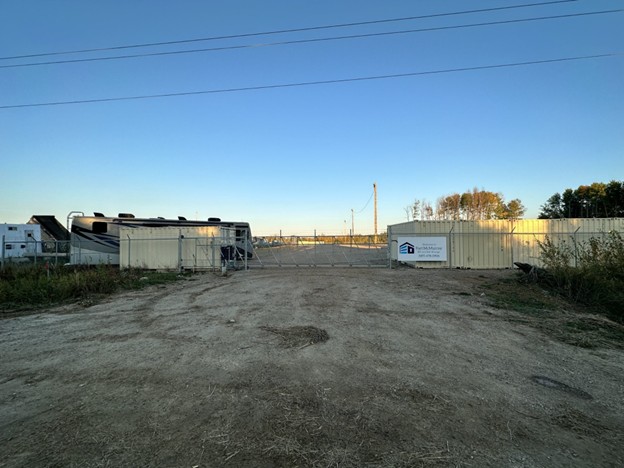
Step 7 – Choose the Right Outdoor Storage Facility
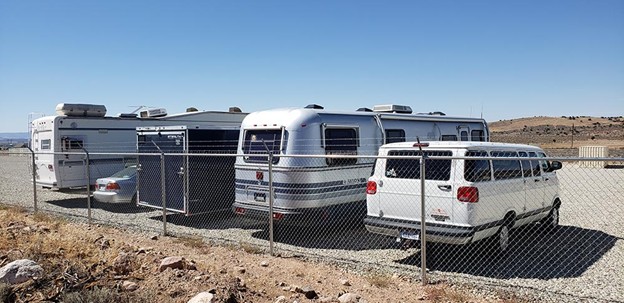
This is where everything comes together. Because even if you do everything right, the wrong storage facility can undo all of it. You don’t need fancy. You need a secure, well-maintained, and accessible one. Here is what to look for.
1. Fenced Perimeter
Prevents unauthorized access and protects your vehicle from outside threats.
2. Gated Entry with Code Access
Only authorized users can enter. No random traffic. No guesswork.
3. 24-Hour Lighting
Lighting is one of the biggest deterrents to theft and vandalism. It also makes it easier and safer for you to access your vehicle.
4. Clean, Maintained Lot
This matters more than people think.
A well-kept facility:
- reduces debris and damage
- discourages pests
- shows attention to detail
Real-World Consideration
Convenience matters too. You want:
- easy access
- enough space to maneuver
- a layout that works for larger vehicles
If it’s hard to access, you’re less likely to check on your vehicle. And that’s when small issues turn into big ones.
Final Thoughts: Outdoor Storage Done Right
At this point, you’ve got everything you need to store your vehicle outside without damage.
Let’s recap what actually matters:
- Clean and prep your vehicle properly
- Protect it from weather and UV exposure
- Control moisture before it becomes a problem
- Maintain your battery and tires
- Prevent pests before they get in
- Choose a secure, well-maintained storage facility
Do these things, and outdoor storage goes from risky to reliable. Outdoor storage isn’t what damages vehicles. Neglect does. That’s when problems show up.
But when you take a few simple steps upfront, you’re not just storing your vehicle; you’re preserving it. For many people, especially in places like Fort McMurray, outdoor storage just makes sense.
It gives you:
- more space for larger vehicles
- easier access when you need it
- a more affordable option compared to indoor alternatives
And when it’s done in a secure, well-lit, gated facility, you’re not sacrificing safety; you’re gaining practicality.
Ready to Store Your Vehicle With Confidence?
At FM Storage, we’ve designed our facility to make outdoor vehicle storage simple, secure, and stress-free.
With:
- fenced perimeter
- gated access with personalized codes
- 24-hour lighting
- clean, well-maintained space
You get a storage solution that actually works for real life. No guesswork. No unnecessary risk. Just a reliable place to keep your vehicle protected until you’re ready to use it again.
👉Check Us Out! Sign up for the full year and get two months for FREE!
One Last Tip Before You Go
Before you store your vehicle, take 10 minutes and run through a quick checklist.
It’s the difference between:
- coming back to a vehicle that’s ready to go
- or dealing with repairs you didn’t expect
Do it right once… and you won’t have to think about it again.