

Top 10 Security Features for Self-Storage Facilities
The Top 10 Security Features to Look for in a Self-Storage Facility
When you rent a storage unit, you’re not just paying for square footage—you’re investing in peace of mind. Your belongings might include family heirlooms, business files, seasonal gear, or even valuable collectibles. The last thing you want is to worry about theft, damage, or unauthorized access.
That’s why security should be the first thing you evaluate when choosing a facility. Not all storage companies are created equal. Some cut corners on security measures, while others invest heavily in surveillance, access control, and on-site staff.
At FM Storage, we know that customers trust us with more than “stuff.” They’re storing memories, investments, and irreplaceable items. That’s why we’ve built a security system that goes far beyond a simple lock and key.
In this guide, we’ll walk you through the top 10 security features every self-storage facility should have—and why they matter.
1. 24/7 Surveillance and Monitoring
Cameras are a visible and psychological deterrent to crime. But simply having cameras isn’t enough—what matters is coverage, quality, and monitoring.
A truly secure facility should have:
- Continuous 24/7 recording (not just motion-triggered).
- HD cameras for crystal-clear identification.
- Strategic placement at entrances, exits, hallways, and unit rows.
- Remote monitoring capabilities for real-time alerts.
According to security experts, facilities that visibly advertise surveillance experience fewer break-ins because intruders know they’re being watched.
Expert Insight: “A locked unit without surveillance is like a house without neighbors—you might not notice a problem until it’s too late. Monitoring ensures quick response and accountability.” – Canadian Security Association
2. Gated Access with Personalized Entry Codes
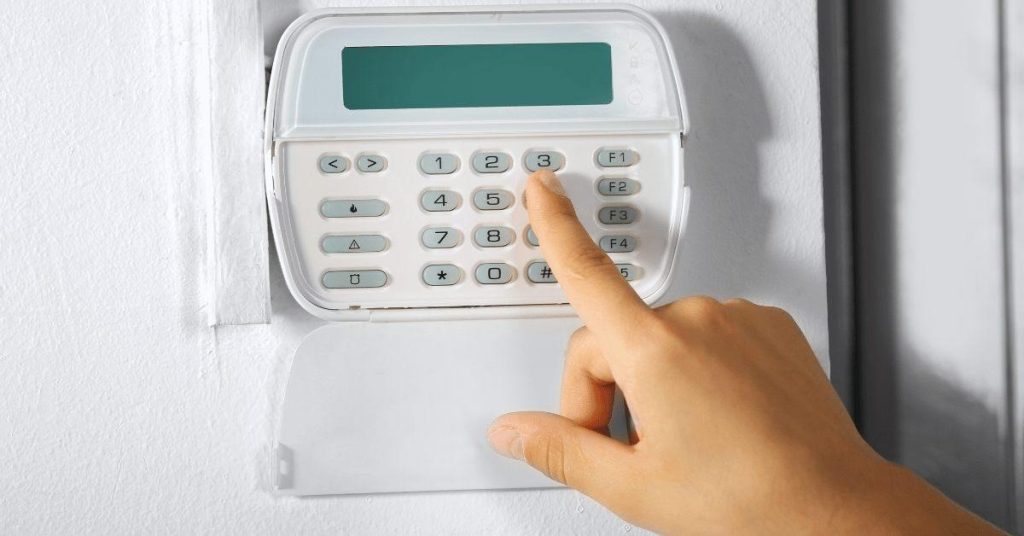
One of the biggest red flags is a storage facility that allows free, walk-in access. The best facilities use gated, electronic entry points that require a personalized code, keycard, or digital key.
- Unique access codes allow managers to track who entered and when.
- Time-stamped logs provide transparency and security audits.
- Restricted gate hours further limit unauthorized visits.
For customers, this means peace of mind that only authorized tenants and staff can enter.
3. Individual Unit Alarms
Even if someone breaches the gate, the next layer of defense should be at your unit door. Facilities with individual unit alarms instantly detect tampering or forced entry.
- Units can be linked to the main security system.
- Alarms notify staff of suspicious activity.
- Some systems even text or email customers when triggered.
This extra safeguard makes thieves think twice before targeting your belongings.
4. On-Site Management and Staff Presence
Technology is powerful, but nothing replaces the human eye. Facilities with on-site managers and staff offer faster response times and greater accountability.
- A staff provides regular patrols and security checks.
- A visible human presence deters trespassers.
- Managers can respond to emergencies immediately.
If you’re comparing facilities, ask whether staff are on-site daily or if the facility is unmonitored after hours.
5. Insurance Options for Added Protection
Even the best security can’t prevent every possible risk—natural disasters, fires, or rare accidents. That’s where tenant insurance comes in.
- Protects against theft, fire, flooding, and other events.
- Often available directly through the facility.
- Typically very affordable for the coverage it provides.
At FM Storage, we encourage customers to consider insurance as an extra layer of protection—especially for high-value belongings.
6. Strong Lighting Systems
Lighting is one of the most underrated security features. A well-lit facility not only improves visibility for cameras but also increases customer comfort when visiting at night.
Key things to look for:
- Motion-activated lighting in hallways and outdoor areas.
- Consistent brightness in parking lots and unit aisles.
- No dark corners where intruders could hide.
According to Crime Prevention Through Environmental Design (CPTED) research, effective lighting can reduce crime by up to 20%.
7. Clear Signage and Security Warnings
Sometimes, just knowing security is present is enough to stop a crime before it happens.
- Signs like “24/7 Surveillance in Use” and “No Unauthorized Access” act as deterrents.
- Security signage reassures customers that their belongings are monitored.
- Proper wayfinding signage also ensures safer, more organized access.
It’s not just about scaring intruders—it’s about setting clear expectations.
8. Well-Maintained Grounds and Facilities
A clean, well-kept property signals professionalism and care. Conversely, a run-down facility with broken gates or overgrown landscaping suggests neglect.
When touring a facility, ask yourself:
- Are the gates, locks, and fences in working condition?
- Is the property free from trash, debris, or graffiti?
- Are hallways and pathways well maintained?
Security isn’t just about technology—it’s about how much the facility invests in upkeep.
9. Access Logs and Digital Tracking
Modern facilities now use digital entry systems that log every gate or door access.
- Provides time-stamped entry records.
- Allows staff to review suspicious activity quickly.
- Some facilities even provide customers access to their own logs.
This level of accountability ensures no one slips in unnoticed.
10. Multi-Layered Security Systems
The most secure facilities don’t rely on one or two tools; they combine multiple systems to create overlapping protection. At FM Storage, security means pairing gates, cameras, staff presence, and unit alarms into a layered defense system. Even if one safeguard is compromised, another stands ready.
Some facilities go a step further with biometric entry, fire suppression systems, or mobile app monitoring. These features show a commitment to innovation and customer safety.
Another often-overlooked layer of protection is insurance. Even the best facility can’t prevent natural disasters, fires, or rare accidents. Affordable tenant insurance ensures that if the unexpected happens, your belongings are covered. The Insurance Bureau of Canada recommends coverage for anyone storing high-value items, since personal home policies may not extend to off-site storage.
What to Avoid: Red Flags in a Storage Facility
Just as important as knowing what to look for is knowing what to avoid. Warning signs include:
- No visible cameras or staff presence.
- Broken gates, fences, or shared access codes.
- Poor lighting and neglected property upkeep.
- No insurance options available.
If a facility feels unsafe during a tour, trust your instincts—it probably isn’t the right place for your valuables.
Conclusion: Choose Security, Choose Peace of Mind
Storage is more than just extra space—it’s protection for the things that matter most. From 24/7 surveillance to gated entry, unit alarms, and well-trained staff, these features separate trustworthy facilities from risky ones.
At FM Storage, we believe security isn’t optional—it’s essential. That’s why our facility combines multiple layers of protection, giving you confidence that your belongings are safe day and night.
Experience Unmatched Security – Take a Tour of Our Facility Today!
Security FAQs for Self-Storage
1. How do I know if a facility takes security seriously?
Look for visible cameras, gated entry, and staff presence. A tour will reveal if these systems are maintained and active.
2. Is insurance really necessary?
Yes. Even the most secure facility can’t prevent every risk. Insurance protects your belongings from rare but possible events.
3. What if I need to access my unit at night?
Well-lit facilities with secure access codes make night-time visits safe. Always confirm gate hours before signing a contract.
4. Do all facilities offer individual unit alarms?
No. This is a premium feature—but one worth prioritizing if your belongings are high-value.
5. Can I check who has accessed my unit?
Many modern facilities keep digital logs of entries and exits, providing additional accountability.