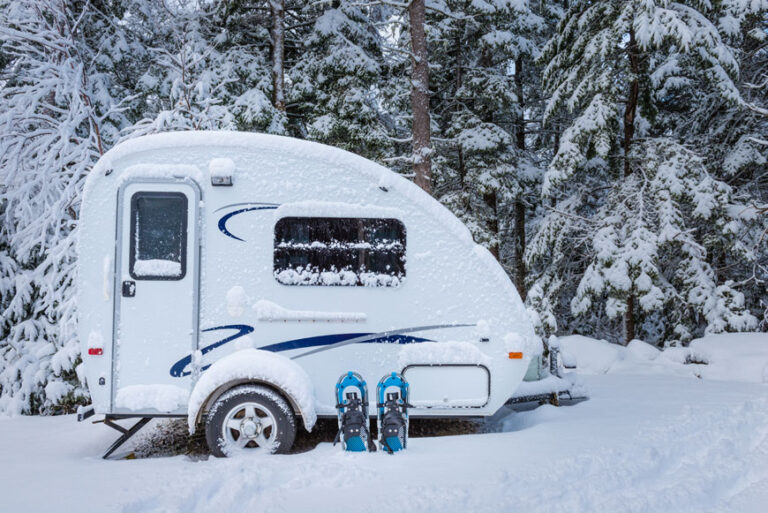


How to Prepare Your Vehicle for Long-Term Storage
Cars are meant to move. Yet sometimes, life requires them to wait. A new job overseas, a long winter away, a classic car that only comes out in perfect weather—there are many reasons a vehicle might need to sit idle for months or even longer.
The problem? Vehicles don’t handle stillness very well. Left unattended, batteries die, tires deform, fluids break down, and even pests can find a way in. Preparing for storage isn’t just about covering the car and walking away—it’s about protecting every system so that when the day comes to drive again, you’re not facing a list of costly repairs.
This detailed guide lays out everything you need to know. Each step is practical, manageable, and designed to keep your vehicle in good shape until its back on the road.
Why Preparing a Car for Storage Matters
Leaving a vehicle untouched can cause slow but serious damage. Batteries discharge quickly, sometimes beyond recovery. Tires flatten under the car’s weight and develop permanent flat spots. Fluids like oil and coolant degrade, corroding engine and brake systems. Moisture builds up, creating rust in hidden places. Even rodents and insects are drawn to warm, dark spaces under the hood.
According to the Automotive Industries Association of Canada, many seasonal-use vehicles—like motorcycles or sports cars—require expensive repairs simply because they weren’t properly stored during downtime. With the right preparation, you can avoid these headaches.
Choose the Right Storage Location
The first decision is where to keep your vehicle. An indoor, climate-controlled unit offers the best protection, shielding against temperature swings, UV rays, and humidity. A standard garage or rented storage space works well too, provided it’s dry and secure. Outdoor storage is possible but riskier. If you have no other option, invest in a high-quality, weatherproof cover and keep the car elevated on a solid surface like concrete.
Moisture and temperature fluctuations are the biggest threats. A dry, well-ventilated space reduces rust, while stable temperatures protect seals and fluids. Security also matters—cars left unattended can be easy targets. Facilities with locked gates, cameras, and staff presence, like FM Storage, provide peace of mind when storing vehicles long-term.
Key Factors to Consider
| Storage Factor | Why It Matters | Best Practice |
|---|---|---|
| Moisture | Promotes rust and mold | Dry, well-ventilated indoor space |
| Temperature | Fluctuations stress seals and fluids | Stable climate, ideally climate-controlled |
| Security | Cars attract theft when unattended | Locked facility, cameras, wheel locks |
| Surface | Concrete vs. dirt affects tires and rust | Store on clean concrete, not soil or grass |
Clean the Vehicle Thoroughly
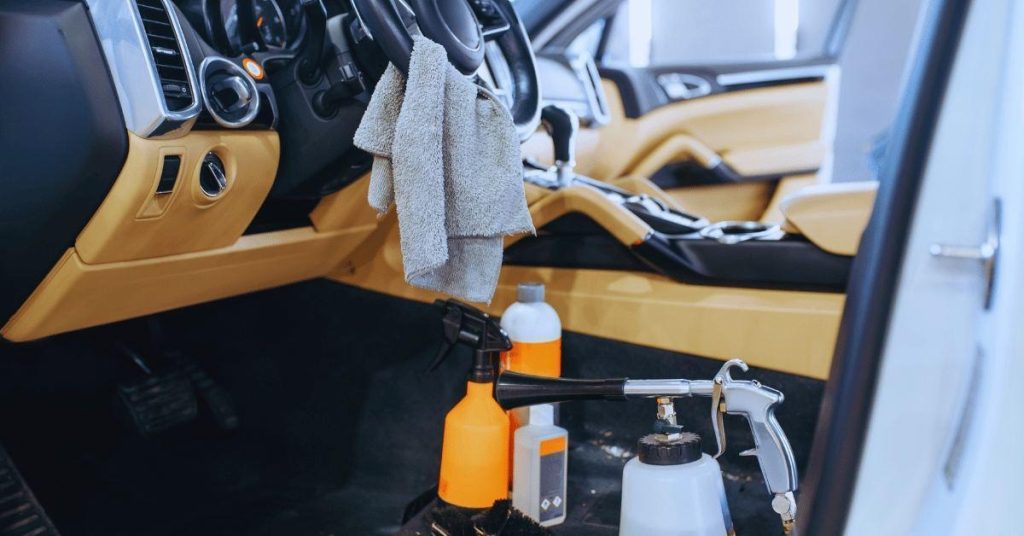
1. Clean thoroughly
A dirty car often emerges worse for wear. Dirt traps moisture, crumbs attract pests, and even smudges can become permanent stains. Wash inside and out, wax the exterior for added protection, and vacuum the interior completely. Many detailers recommend conditioning leather seats and applying protectant to rubber or vinyl before storage.
2. Top Off and Treat Fluids
Fluids age even when the car doesn’t move. Fill the fuel tank completely and add a stabilizer, then run the engine briefly to circulate it. Replace old oil to prevent corrosion. Confirm your coolant offers enough freeze protection for Canadian winters. Brake and clutch fluids should be topped up to reduce internal moisture. Even windshield washer fluid matters—winter-rated solutions prevent cracks in cold weather.
3. Protect the Battery
Batteries are among the most vulnerable components. You can disconnect it, use a trickle charger, or remove and store it indoors during freezing months. Each method reduces the risk of finding a dead car in spring. The Canadian Automobile Association (CAA) recommends battery maintainers for storage longer than three months.
4. Care for Tires
Tires bear the vehicle’s weight continuously. Inflate them to the upper recommended PSI, cover them to block UV rays, and if storing beyond six months, use jack stands to relieve pressure. Moving the vehicle slightly every few weeks helps prevent permanent flat spots.
5. Keep Pests Out
Rodents often seek warmth under hoods. Plug exhaust pipes and air intakes with steel wool, avoid leaving food inside, and use natural deterrents like peppermint oil or dryer sheets. Place traps outside the car, not inside, to avoid odors.
6. Cover and Protect
Use a breathable cover for indoor storage, or a weatherproof UV-resistant cover if outdoors. Avoid plastic tarps—they trap condensation and scratch paint.
7. Insurance and Registration
Don’t cancel insurance completely. Consider reducing to comprehensive-only coverage, which is affordable and still protects against theft, fire, or storms. Some provinces allow you to pause registration costs if a vehicle is declared non-operational. Check your local government’s rules before making changes.
Seasonal and Climate Considerations
Canada’s climate plays a big role in storage needs. In freezing regions, topping antifreeze and removing batteries for indoor storage prevents catastrophic damage. In hot summers, sunlight can fade interiors and crack dashboards—ventilation and shades are critical. In humid provinces, moisture seeps into fabrics and wiring. Using desiccants inside the cabin helps prevent mildew and musty odors.
This is where climate-controlled storage pays off. Facilities designed to regulate humidity and temperature reduces these risks significantly. At FM Storage, customers storing luxury or classic vehicles often choose climate-controlled units for exactly this reason.
Bringing the Vehicle Back Into Service
When it’s time to drive again, don’t just reconnect the battery and go. Remove plugs from the exhaust and intake, check fluid levels, and inspect tires for pressure or cracks. Start the engine gently and let it run while systems circulate. Test brakes before driving at full speed.
A quick wash removes any dust or cover residue, restoring your car’s shine. Within minutes, you’ll know whether your preparation paid off—and if you’ve followed these steps, it almost certainly will.
Conclusion: Preparing for Stillness
Long-term storage is less about parking and more about preservation. Each system—battery, tires, fluids, interior—requires attention.
By cleaning thoroughly, topping fluids, protecting the battery, inflating tires, sealing against pests, and choosing the right cover, you ensure the vehicle will start reliably when needed. Insurance and registration adjustments complete the picture, while periodic check-ins add peace of mind.
A vehicle prepared properly for storage doesn’t emerge neglected—it comes back ready. Whether for a season, a year, or even longer, the investment in preparation pays off the moment you turn the key.
Prepare Your Vehicle for Safe Storage – Reserve Your Spot Now!
FAQs
1. How long can a car sit without being driven if unprepared?
Even after 2–3 weeks, batteries may weaken. After 1–2 months, tires and fluids begin to degrade. Proper preparation extends safe storage into many months or years.
2. Should I start my car every week while in storage?
Monthly is usually enough. More frequent starts may cause condensation without fully recharging the battery.
3. Can I store my car on grass or dirt?
No. Moisture from the ground accelerates rusting and damages tires. Always store on a solid surface.
4. Do electric vehicles need special storage prep?
Yes. EVs should be charged to around 50–70%, not 100%, and left plugged into a compatible charger if possible. Check manufacturer guidelines for battery health.
5. What’s the safest storage method for a luxury or classic car?
Climate-controlled storage, breathable cover, and battery maintainer. For collectors, fuel stabilizer and tire cradles are often added.