

Disaster-Proof Storage: How to Keep Your Belongings Safe from Fire, Flood, and Theft
Fort McMurray has always been a resilient community. But it has also faced disasters that tested that resilience. The 2016 wildfire—often referred to as “The Beast”—forced the evacuation of nearly 90,000 people and destroyed more than 2,400 buildings. Just four years later, the spring flood of 2020 displaced thousands more, submerging parts of downtown under water.
Add to this the risk of theft during evacuations—when homes are left unoccupied—and it’s clear: protecting your belongings isn’t just about tidiness. It’s about security, survival, and peace of mind.
That’s why many Fort McMurray residents are turning to disaster-ready storage as part of their emergency planning. By securing valuables off-site in facilities designed to withstand fire, flood, and theft, families are protecting what matters most before the next crisis strikes.
This expanded guide will walk you through everything you need to know: why storage matters locally, how to prepare against each type of disaster, and how to create your own emergency storage plan.
Why Disaster-Prepared Storage Matters in Fort McMurray
The region is no stranger to extreme conditions. Wildfires remain a constant threat due to the surrounding boreal forest, while spring ice breakups along the Athabasca and Clearwater rivers can trigger severe flooding. Even theft is a concern—evacuated neighborhoods may be patrolled, but opportunistic crime is not uncommon. These realities highlight the importance of choosing storage solutions designed to protect belongings from multiple threats.
Fire Safety: Choosing Fire-Resistant Options
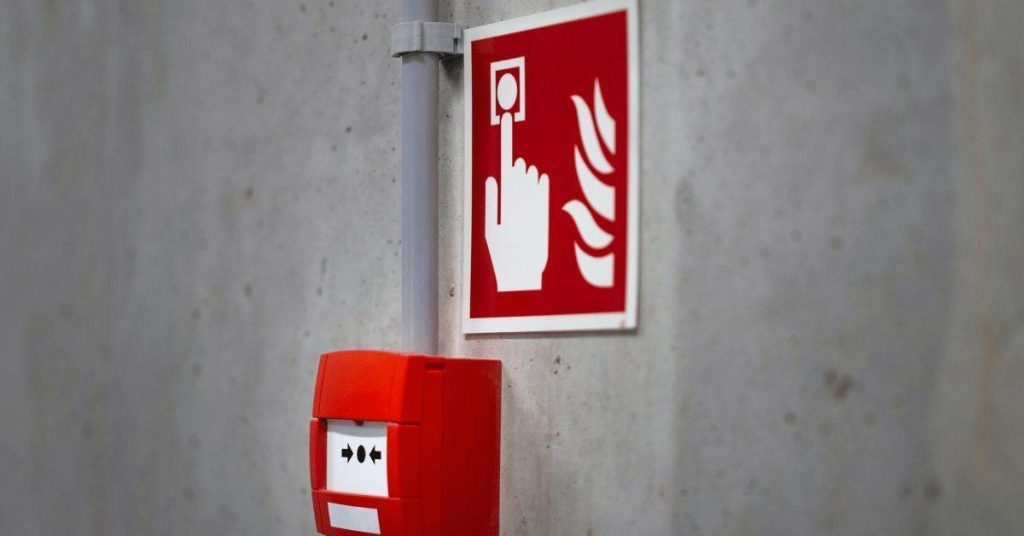
Wildfires and structural fires move quickly, but smart storage decisions can minimize risk. Facilities constructed with concrete and steel provide far better resistance than wooden structures, while sprinkler systems, alarms, and wider spacing between units act as added safeguards.
On a personal level, fireproof lockboxes are essential for storing passports, deeds, wills, and insurance policies. Many homeowners also keep digital backups of family photos and important files on fire-rated hard drives. As Good Housekeeping notes, preparation and organization can significantly reduce stress and prevent costly damage during emergencies (source).
Looking for a secure option locally? FM Storage’s climate-controlled units provide an extra layer of fire and heat protection, keeping sensitive items safe even in extreme conditions.
Flood Protection: Storing Above Ground Level
Flooding is a recurring risk in Fort McMurray, especially in low-lying areas. Facilities on higher ground with raised units and proper drainage systems offer far better protection than basements or ground-level garages. Inside the unit, simple practices like elevating boxes on pallets, using waterproof bins, and shrink-wrapping furniture can make the difference between salvaging your belongings and losing them.
Moisture control is equally important—silica gel packs or moisture absorbers prevent mold growth, while vacuum-sealed bags keep fabrics dry. HGTV highlights waterproof storage methods as one of the best strategies to preserve household items during long-term projects or disaster situations (source).
For families in flood-prone areas, FM Storage’s secure self-storage solutions ensure your valuables are stored in facilities designed to handle Alberta’s unpredictable weather.
Theft Protection: Top Security Features That Matter Most
Disasters create vulnerable moments, and theft is a real risk when homes are left empty. A secure storage facility provides an added layer of defense through gated access, 24/7 surveillance cameras, and individual unit alarms. Bright lighting and on-site staff are additional deterrents.
For renters, choosing disc or cylinder locks adds another level of security, while avoiding labels like “electronics” or “jewelry” on boxes helps deter thieves. Insurance coverage is the final safeguard, ensuring that even in rare cases of theft, you won’t face financial loss.
Creating a Personal Emergency Storage Plan
Disaster-proof storage isn’t just about where you keep things—it’s about how you organize and plan. Start by deciding what to store: critical documents, sentimental belongings, essential gear, and seasonal items. Organize your unit so that emergency items are placed at the front and valuables are secured in fireproof and waterproof containers. Keep an up-to-date inventory—both digital and printed—and review it every six to twelve months.
By maintaining this plan, you’ll know your family is ready, whether the challenge comes from fire, flooding, or an unexpected evacuation.
Key Takeaways
- Fort McMurray residents face real risks from fire, flood, and theft.
- Fire safety means choosing concrete/steel facilities and using fireproof safes.
- Flood safety requires elevated facilities, waterproof bins, and pallets.
- Theft protection comes from secure facilities, strong locks, and insurance.
- Emergency storage plans ensure you’re prepared before disaster strikes.
Conclusion
Fort McMurray has proven time and again that it’s a strong and resilient community. But resilience doesn’t mean taking chances. It means preparing wisely, learning from past challenges, and putting safeguards in place before they’re urgently needed.
Disaster-proof storage is one of those quiet safeguards. You may never need it in an emergency—but if you do, you’ll be glad you made the choice. From fire-resistant construction to flood-ready design and advanced security, the right storage facility becomes more than just extra space. It becomes part of your personal safety net.
When the next storm, wildfire, or evacuation comes, you’ll know that the things you value most are protected. And that peace of mind is worth far more than the cost of a monthly rental.
Take the step now — reserve your secure storage unit with FM Storage and protect your future by protecting your belongings today.
FAQs
1. How fire-resistant are storage facilities?
Facilities with concrete and steel structures withstand fire better than wooden ones. While not 100% fireproof, features like sprinklers and alarms significantly reduce losses.
2. Can I store emergency supplies like fuel?
No. Gasoline, propane, and other flammables are prohibited. Store them safely at home in certified containers.
3. Should I choose climate control?
Yes—especially for electronics, artwork, wood furniture, or fabrics stored long-term. It prevents heat, cold, and humidity damage.
4. How can I make sure flood water won’t reach my belongings?
Choose a facility above known flood zones. Inside the unit, always elevate items on pallets or shelving.
5. Will storage insurance cover disaster damage?
Yes, but coverage depends on your policy. Ask if fire, flood, and theft are all included. Some policies exclude natural disasters unless specifically added.