
Outdoor RV Storage: How to Protect Your RV Year-Round
Owning an RV is one of those things that just makes life better. More freedom. More flexibility. More time spent exactly where you want to be.
Storing it, though… that’s where things can quietly go wrong.
Between weather exposure, moisture buildup, and long periods of sitting still, RVs are far more vulnerable than most people realize. And unlike a regular vehicle, the damage isn’t usually small. A minor issue can turn into a repair bill in the thousands before you even notice it.
The good news is this:
Outdoor RV storage isn’t the problem. Unprepared storage is.
According to Kelley Blue Book, most long-term storage issues, like corrosion, battery failure, and system damage—come down to lack of preparation, not the storage type itself.
This guide will walk you through exactly how to store your RV the right way, so when you come back to it, everything works as it should.
If you’re starting from scratch, this broader guide is a helpful companion:
👉 https://www.fmstorage.ca/blog/how-to-prepare-your-vehicle-for-long-term-storage/
Why RV Storage Requires Extra Care
An RV isn’t just something you drive. It’s something you live in. And that changes everything when it comes to storage.
What Makes RVs Different?
Unlike a car, an RV combines multiple systems into one unit:
- plumbing (fresh, grey, and black water)
- electrical and battery systems
- roof seams and exterior seals
- interior materials like wood, fabric, and insulation
All of these are affected by time, temperature, and exposure.
And because of its size, an RV is constantly interacting with the environment. More surface area means more contact with sun, wind, moisture, and debris, day after day.
Where Problems Usually Start
When storage isn’t handled properly, issues tend to show up in predictable ways:
- seals begin to dry and crack
- moisture slowly works its way inside
- water lines freeze or split
- interiors develop mold or lingering odors
And here’s the frustrating part. Most of this doesn’t happen overnight. It builds up gradually, which is why it’s so easy to overlook, until it becomes expensive.
As many RV experts point out, water intrusion is one of the most common causes of long-term damage, and it almost always traces back to preparation.
Which leads us to the most important step of all.
Step 1 – Clean and Prep Your RV Before Storage
If there’s one step you don’t want to rush, it’s this one. Because what’s sitting on your RV right now, dust, grime, moisture, doesn’t just stay there.
It slowly breaks things down.
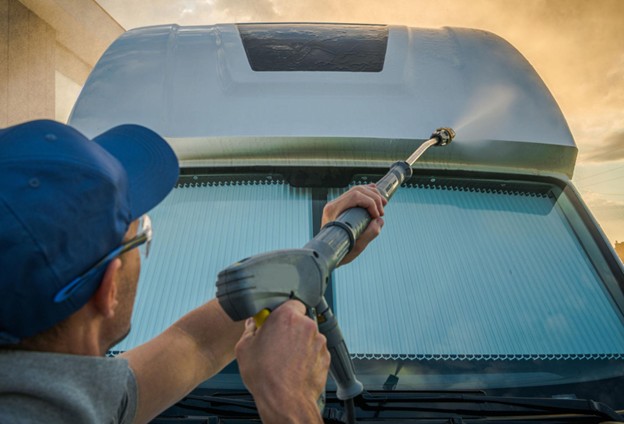
Start Outside First
Think about everything your RV has picked up on the road:
salt, bugs, dirt, and residue. Left alone, those can lead to staining, corrosion, and long-term wear.
A proper clean should include:
- a full exterior wash
- extra attention to seams and roof edges
- a complete dry before storage
- optional wax for added protection
If you want a more detailed breakdown, this guide from Edmunds is worth a quick read:
👉 https://www.edmunds.com/car-maintenance/how-to-prep-your-car-for-long-term-storage.html
Then Move Inside (Where Problems Hide)
Interior prep is less visible but just as important.
Here’s the goal: Remove anything that could attract pests or trap moisture.
That means:
- clearing out all food
- wiping surfaces
- vacuuming thoroughly
- emptying cabinets and compartments
And don’t forget the fridge. Leaving it closed after cleaning can trap moisture and create odors. Keeping it slightly open makes a big difference over time.
Before storage, your RV should feel like it’s being “reset.” Clean. Dry. Empty. Ready to sit without issues. Most storage problems don’t come from extreme conditions. They come from small things that were missed at the start.
If you want to avoid those, this guide highlights the most common mistakes:
👉 https://www.fmstorage.ca/blog/5-costly-rv-storage-mistakes-to-avoid/
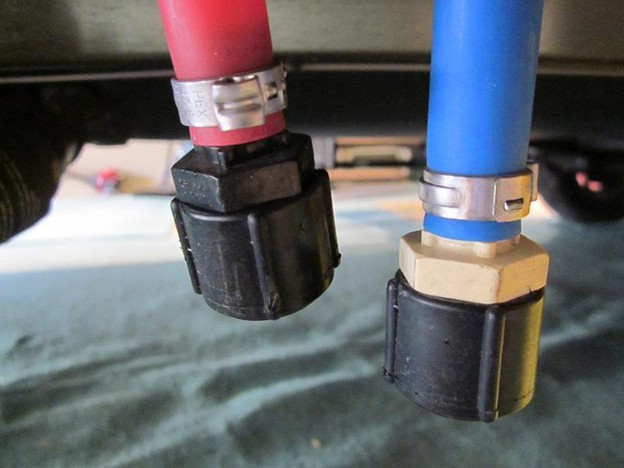
Step 2 – Drain and Protect Water Systems
This is the step that separates safe storage from expensive repairs. Water doesn’t just sit still. In colder temperatures, it expands, and that expansion creates pressure.
Inside your RV, that pressure can lead to:
- cracked pipes
- damaged fittings
- broken tanks
And those issues aren’t always obvious right away.
What Needs to Be Done
Before storing your RV, take the time to fully clear your water system:
- drain fresh, grey, and black tanks
- run faucets briefly to clear remaining water
- flush the system if needed
If your RV will be sitting through winter, this step needs to go further.
Using RV-safe antifreeze helps protect any remaining moisture in the system from freezing. It’s a simple step, but one that prevents some of the most expensive storage-related damage.
A lot of people drain their tanks and assume they’re done, but the real risk comes from water left in the lines. That’s where freezing—and damage—usually happens.
Need a Step-by-Step Walkthrough?
This guide breaks it down clearly, especially for local conditions:
👉 https://www.fmstorage.ca/blog/winterize-rv-fort-mcmurra/
If you protect your water system properly, you eliminate one of the biggest risks in RV storage. And that gives you peace of mind when you come back to it later.
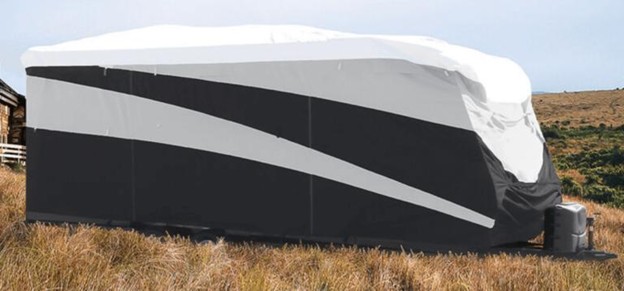
Step 3 – Protect Your RV From Weather
Once your RV is clean and prepped, the next challenge is simple: Keeping the weather from undoing all that work. Because no matter where you store it, your RV is still exposed to the elements every single day.
What You’re Really Protecting Against
Weather damage isn’t just one thing; it’s a combination of slow, ongoing exposure:
- Sun (UV rays) fade paint, crack seals, and dry out interiors
- Rain and snow introduce moisture, which leads to mold and corrosion
- Wind carries debris that can scratch or wear surfaces over time
Individually, these don’t seem like a big deal.But over a few months? They add up.
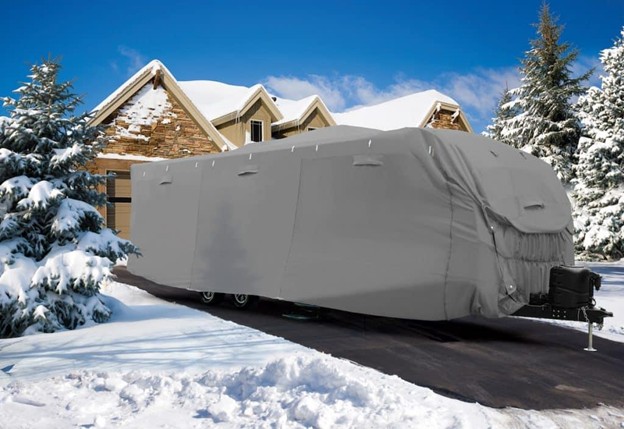
The Role of a Good RV Cover
A quality RV cover does more than just “cover” your vehicle—it creates a barrier between your RV and the environment. But not all covers are created equal.
Here’s what actually matters:
✔ Breathable material (prevents trapped moisture)
✔ Weather resistance (handles rain, snow, and sun)
✔ Proper fit (loose covers can rub and damage surfaces)
Cheap covers tend to trap moisture or break down quickly, which defeats the purpose entirely.
Sometimes, it’s the simple things that make the biggest difference:
- Park facing away from the prevailing wind
- Avoid parking under trees (sap and debris build up fast)
- Choose a clean, well-maintained storage area
Weather damage isn’t instant; it’s gradual. Protect against it properly, and your RV holds its condition far longer than most people expect.
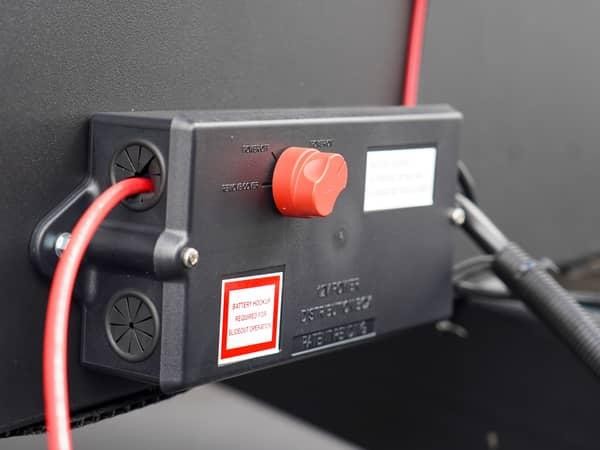
Step 4 – Battery and Electrical Care
If you’ve ever come back to an RV after storage and had nothing happen when you turned the key, you already know how frustrating this step can be.
Even when your RV isn’t being used, the battery doesn’t just sit still. It slowly loses charge over time. Add cold weather into the mix, and things get worse. According to AAA, extreme temperatures, especially cold, can significantly reduce battery performance and lifespan.
Two Simple Ways to Avoid Problems
You don’t need anything complicated here. Just choose one of these options:
Option 1: Disconnect the Battery
This stops slow power drain while your RV is sitting.
- quick and effective
- best for shorter storage periods
- no extra equipment needed
Option 2: Use a Battery Maintainer
This keeps your battery at a steady charge over time.
- ideal for long-term storage
- prevents full discharge
- helps extend battery life
What About RV Batteries Specifically?
RVs often have more than one battery, and they power more systems than a standard vehicle. That makes proper care even more important—especially in colder climates.
If you want a deeper breakdown, this guide goes into detail:
👉 https://www.fmstorage.ca/blog/winterizing-your-rv-batteries/
Battery issues are one of the most common (and avoidable) problems in RV storage. A few minutes here saves you from dealing with it later.
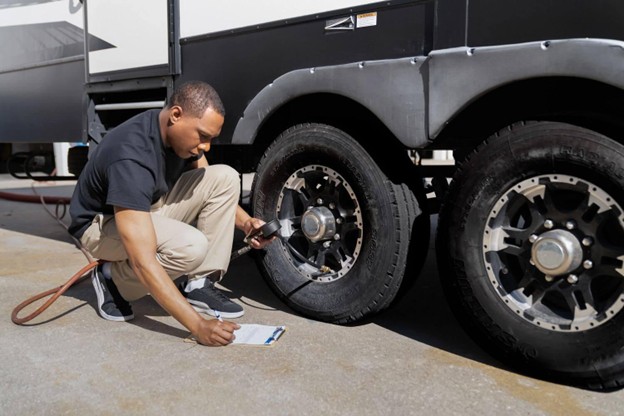
Step 5 – Protect Your Tires and Structure
Tires don’t usually get much attention during storage, but they should. Because while your RV is sitting still, they’re doing all the work.
Over time:
- weight presses down on the same points
- tires lose pressure
- rubber begins to settle and flatten
This can lead to:
- flat spots
- uneven wear
- reduced lifespan
According to Tires Easy, flat spotting can occur even after a few weeks of inactivity, especially in colder temperatures. You don’t need a complicated setup, just a few smart adjustments.
Start with the basics:
- Inflate tires to the recommended pressure
- Park on a flat, stable surface
Then consider:
- moving the RV slightly (if possible)
- using tire pads or blocks for long-term storage
Don’t Forget the Surface You Park On
Where your RV sits matters more than most people realize.
Avoid:
- soft ground
- uneven gravel
- areas where water collects
A clean, level surface helps protect both your tires and your RV’s structure over time. If you’re not checking on your RV regularly, tire pressure is one of the first things to drop. It’s a small detail, but one that makes a big difference.
Your tires support everything. Taking a few simple steps now helps ensure your RV is ready to roll when you are.

Step 6 – Prevent Pests and Interior Damage
This is the part most people don’t think about, until they open the door months later and realize something’s been living inside their RV.
From a rodent’s perspective, your RV is ideal:
- sheltered from the weather
- dark and quiet
- full of soft materials for nesting
And if there’s even a trace of food? That’s all the invitation they need.
What Kind of Damage Are We Talking About?
It’s not just a nuisance.
Pests can:
- chew through wiring
- damage insulation
- nest inside vents and compartments
- leave behind odors that are hard to remove
And unlike surface issues, this kind of damage often takes time (and money) to fix.
You don’t need complicated solutions here, just a few smart habits.
Start with the obvious:
- Remove all food, crumbs, and scented items
- Empty storage compartments and cabinets
Then focus on entry points:
- exhaust pipe
- small openings under the hood
- vents and gaps
Sealing these with simple materials like steel wool can make a big difference.
Add a Layer of Protection
Many RV owners also use:
- mothballs (placed safely)
- rodent repellents
- dryer sheets (a surprisingly common trick)
These aren’t perfect on their own, but combined with proper prep, they’re effective. If possible, check your RV every few weeks. You’re not doing a full inspection, just a quick look for:
- signs of activity
- droppings
- unusual smells
Catching a problem early is always easier than fixing it later. Pest damage isn’t guaranteed, but it’s one of the easiest problems to prevent. And once it’s handled, you can move on with confidence.
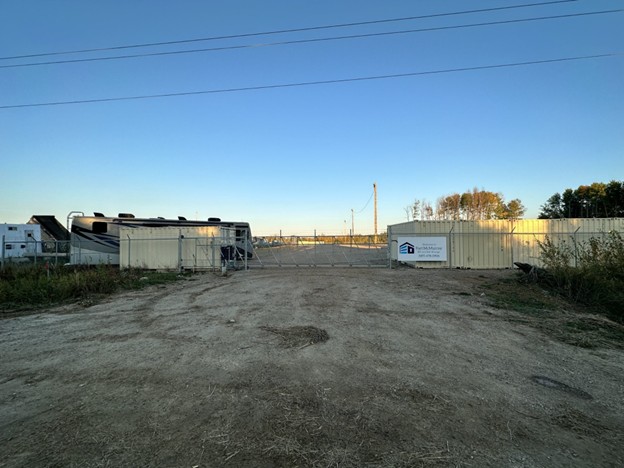
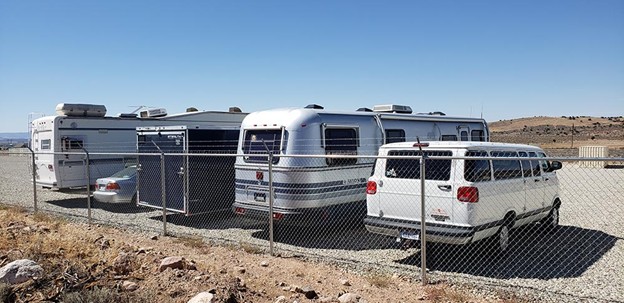
Step 7 – Choose the Right Outdoor RV Storage Facility
You can do everything right up to this point, but if your RV is stored in the wrong place, it can still be at risk. You don’t need anything complicated or overbuilt. You just need the essentials done well.
Here’s what to look for:
- Fenced perimeter to keep unauthorized access out
- Gated entry with code access so only approved users can enter
- 24-hour lighting for visibility and security
- A clean, maintained lot that reduces debris and risk
These aren’t extras; they’re fundamentals. A well-maintained storage facility does more than hold your RV.
It:
- reduces exposure to unnecessary risk
- makes it easier to access and check on your vehicle
- helps prevent small issues from becoming bigger ones
If you want a deeper look at what strong storage security should include, this guide is worth reviewing:
👉 https://www.fmstorage.ca/blog/top-10-security-features-for-self-storage-facilities/
Don’t Overlook Practical Details
Beyond security, think about usability.
Ask yourself:
- Is there enough space to maneuver comfortably?
- Can I access my RV easily when I need it?
- Is the layout designed for larger vehicles?
Because if it’s inconvenient, you’re less likely to check on it, and that’s when problems slip through.
Storage in Fort McMurray comes with its own challenges:
- winter conditions
- snow access
- larger vehicles and trailers
The right facility doesn’t just store your RV. It supports everything you’ve done to protect it.
Final Thoughts: Outdoor RV Storage Done Right
By now, you’ve covered the full picture:
- cleaning and prep
- water system protection
- weather exposure
- battery care
- tire support
- pest prevention
- choosing the right facility
That’s everything most RV owners overlook. Outdoor RV storage isn’t risky. Unprepared storage is. When you take the time to do things properly, you’re not just storing your RV, you’re preserving it.
With the right setup, outdoor storage gives you:
- the space you need for larger vehicles
- easy access when you’re ready to use it
- a cost-effective alternative to indoor options
- confidence that your RV is protected
When your RV is properly stored, you don’t have to worry about what’s happening while it sits. You just come back to it and go.
Ready to store your RV without the stress?
FM Storage offers secure, well-lit, gated outdoor storage designed for RVs, trailers, and larger vehicles, so you can store with confidence and come back to them ready to go.
👉 https://www.fmstorage.ca/