
Seacan Storage vs. Traditional Self-Storage: Which One Is Right for You?
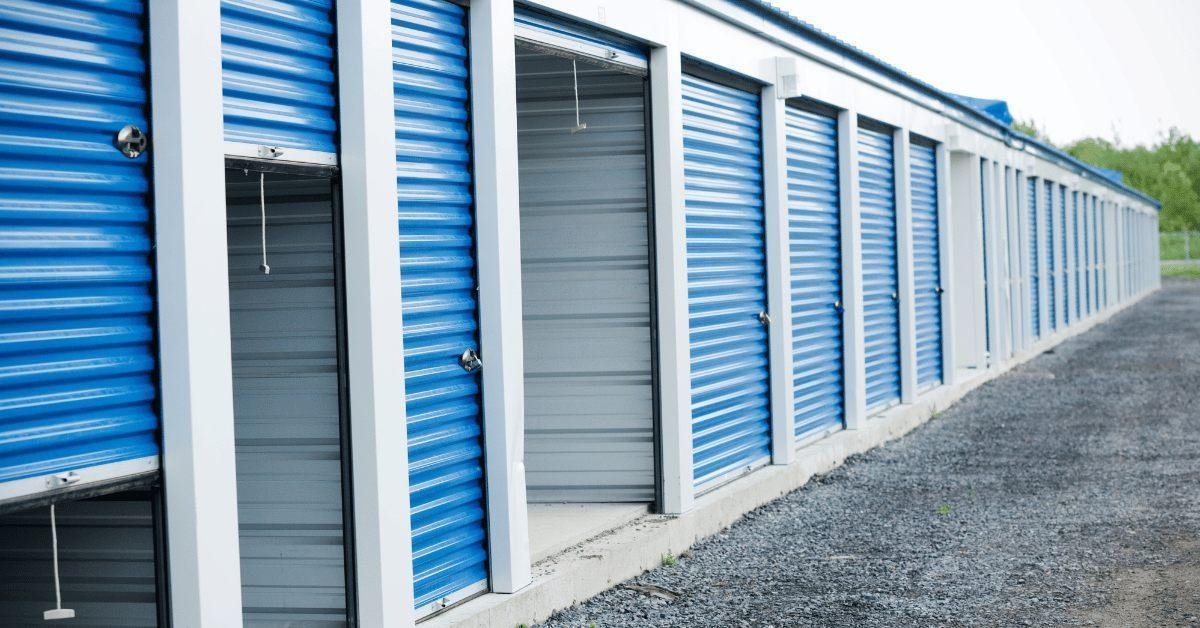
When most people picture storage, they imagine rows of roll-up doors at a local facility. But in recent years, seacan storage has emerged as a rugged alternative. Built from steel shipping containers, seacans offer portability, durability, and the convenience of keeping storage right on your property.
So which option is right for you—traditional self-storage or seacan storage? The answer depends on what you’re storing, how long you’ll need it, and how much flexibility you want. This in-depth guide will break down the differences so you can make an informed choice.
What Is Seacan Storage?
A seacan (short for “sea container”) is a steel shipping container originally designed to move goods across oceans. Retired containers are often sold or rented for land-based storage because they’re tough, lockable, and large enough for furniture, equipment, or business inventory. Most common sizes are 20-foot and 40-foot lengths with about 8 feet of width and height. They’re delivered by truck and set down on a level surface—driveway, farmyard, or job site—so you get 24/7 access without leaving home.
Two quick realities to keep in mind: you’ll need enough flat space for delivery and placement, and in some municipalities you may need permits or approvals to keep a sea-can on your property. In Fort McMurray (Regional Municipality of Wood Buffalo), for example, sea-cans are considered accessory structures and typically require development and building permits.
Pros and Cons of Seacan Storage
Advantages
Seacans offer unmatched durability and 24/7 availability directly on your property. You own or rent it, and customization—adding insulation, shelving, or power—is straightforward. For long-term use, ownership can be more economical over time.
Drawbacks
However, they require sufficient flat, accessible space, may not be permitted under local zoning laws, and typically lack built-in climate control—posing risks to temperature-sensitive items.
Pros and Cons of Traditional Storage Units
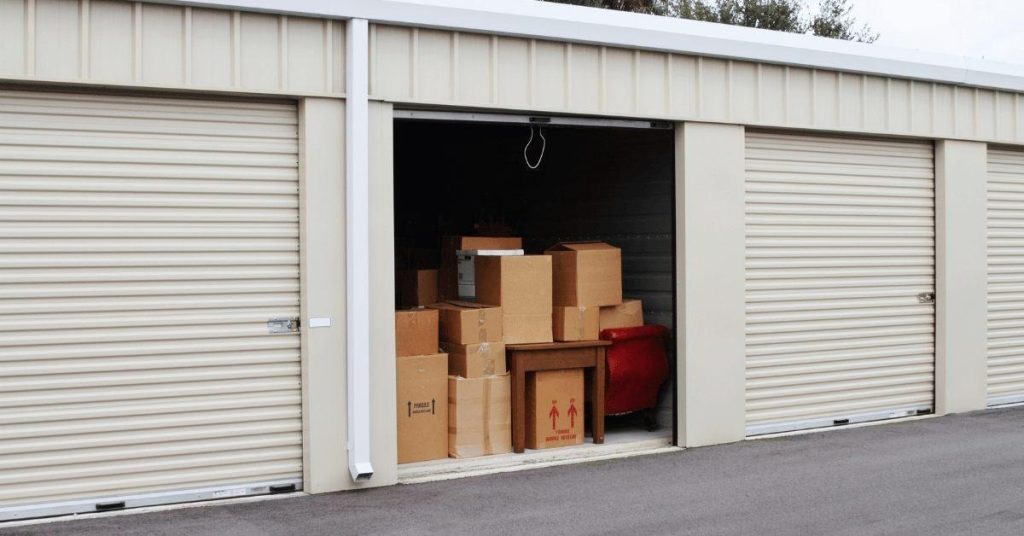
Traditional facilities give you flexibility with unit sizes, short-term rentals, and built-in climate control. This is especially important for belongings like wood furniture, electronics, and heirlooms—Good Housekeeping reports that clutter and poorly stored items not only damage belongings but also increase stress at home. Climate-controlled units counter both problems by keeping things safe and organized.
Security is another advantage. Gated entry, surveillance, and sometimes on-site staff provide reassurance that a seacan in your driveway can’t always match.
If you’re uncertain about unit types or sizes, FM Storage can walk you through the best options for your timeline and budget.
Cost Comparison: Seacan vs. Traditional Self-Storage
Seacan storage offers both purchase and rental options. A used container generally costs between $3,000 and $6,000, while a new one can range from $6,000 to $10,000. For those not ready to buy, monthly rentals usually fall in the $100 to $200 range, with additional delivery or pickup fees of $200 to $500. Since steel requires little upkeep if placed on solid, level ground, ongoing maintenance is minimal. For anyone planning to store items for three years or longer, ownership often provides the best long-term value.
Traditional self-storage, on the other hand, is a month-to-month expense. A 5×5 unit typically costs $60 to $90 per month, while a medium 10×10 space ranges from $120 to $200. Larger units such as 10×20 or more usually cost $200 to $300 or higher. Add-ons like climate control or insurance can add another $10 to $50 each month, but they’re often worth it for protecting sensitive items. The key advantage is flexibility—short-term renters avoid heavy upfront costs and only pay for the space and time they need.
Side-by-Side Overview
| Factor | Seacan Storage | Traditional Self-Storage |
|---|---|---|
| Upfront Cost | Higher (delivery or purchase) | Low (deposit + first month) |
| Monthly Cost | $100–$200 | $60–$300 depending on size |
| Long-Term Value | Cheaper if purchased | Cheaper for short-term |
| Access | At home, 24/7 | Facility hours |
| Security | Depends on property | Facility systems (gates, cameras) |
| Flexibility | Moveable, customizable | Wide range of unit sizes |
Quick Takeaway: If you need storage for less than a year, traditional self-storage is usually cheaper. For multi-year use, a purchased seacan can save money.
Who Should Choose Each Option?
Different lifestyles and needs call for different storage solutions. Seacan storage is best suited for homeowners with enough space to accommodate a container—whether it’s a driveway, farm, or yard. Contractors also benefit from having tools and building materials stored directly on-site, cutting down on daily travel. Many businesses use seacans as affordable overflow storage for inventory and equipment, while long-term planners often prefer ownership to avoid ongoing rental costs. For those unsure about whether a container fits their property, Canadian Tire highlights practical outdoor storage considerations that apply equally to large equipment and seacans. And if you’re comparing options locally, FM Storage can help assess whether a seacan or facility-based unit matches your long-term plans.
By contrast, traditional self-storage is ideal for renters and condo residents who lack the space for a container. It’s also the better choice for people storing temperature-sensitive belongings such as electronics, wooden furniture, or artwork, since climate-controlled units offer reliable protection. Those facing short-term needs—like moving, downsizing, or temporary transitions—find facility rentals more convenient. And for anyone who values layered security, features such as gated access, surveillance cameras, and on-site staff make traditional storage the safer option. Research from Good Housekeeping shows that clutter can raise stress levels, reinforcing the benefit of having a clean, organized unit. For local customers, FM Storage offers climate-controlled solutions designed to keep belongings safe and stress-free.
Key Takeaways
- Seacan storage is rugged, portable, and best for homeowners, contractors, and businesses needing on-site access.
- Traditional self-storage offers climate control, professional security, and short-term flexibility.
- Cost depends on time frame—traditional units are cheaper short-term, but seacans win long-term if purchased.
- Your lifestyle matters—renters, downsizers, and movers often choose traditional, while long-term planners lean toward seacans.
Conclusion: Choosing the Right Storage for Your Needs
At the end of the day, there’s no one-size-fits-all answer. Seacan storage offers rugged durability and the convenience of on-site access, making it a smart choice for homeowners, contractors, and businesses who want control over their space. Traditional self-storage, on the other hand, provides professional security, climate control, and the flexibility of short-term rentals—ideal for movers, downsizers, or renters without extra land.
The best option depends on your lifestyle, your budget, and how long you plan to store your belongings. Both solutions can work beautifully when matched to the right situation.
Ready to find the storage solution that fits your needs? Visit FM Storage today and take the first step toward safe, flexible, and secure storage.
FAQs
1. Are seacans weatherproof?
Yes—steel walls and sealed doors resist rain and wind. However, without insulation, temperature swings can affect delicate items.
2. Can I place a seacan anywhere?
You’ll need a flat surface, usually gravel, asphalt, or concrete. Some cities or HOAs require permits.
3. Which is more secure?
Traditional facilities offer professional security, while seacan security depends on your property setup (locks, cameras, lighting).
4. What about insurance?
Storage facilities often require or provide insurance. With seacans, you’ll need to extend your homeowner’s or business insurance policy.
5. How long does a seacan last?
With proper care, a steel seacan can last 20+ years.
6. Can seacans be climate-controlled?
Yes, but only with modifications like insulation and ventilation. Traditional units usually offer this as standard.