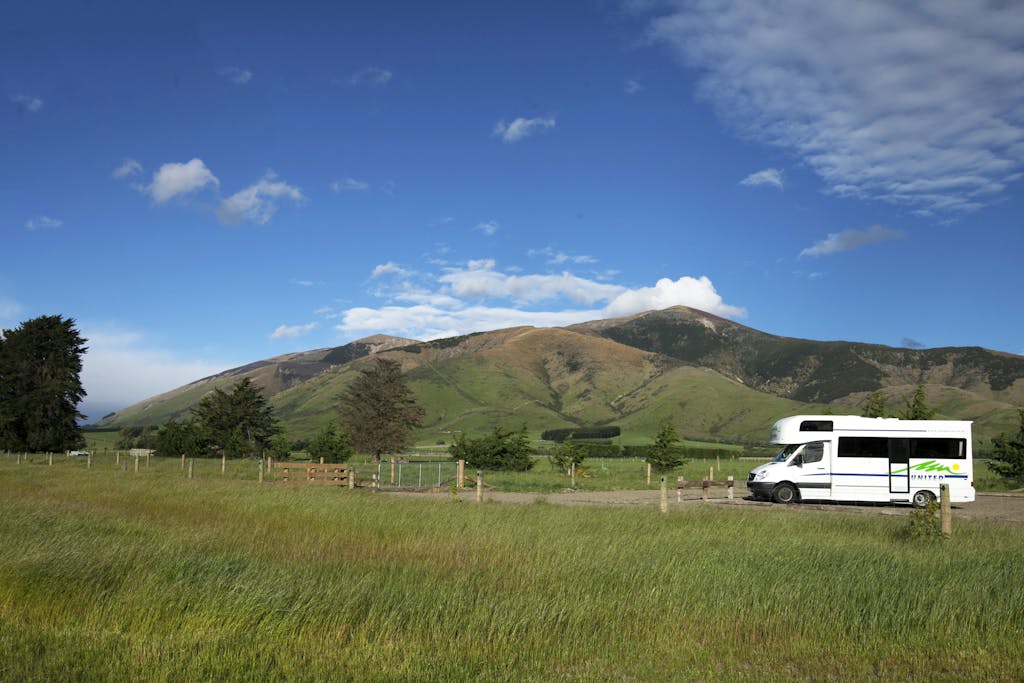

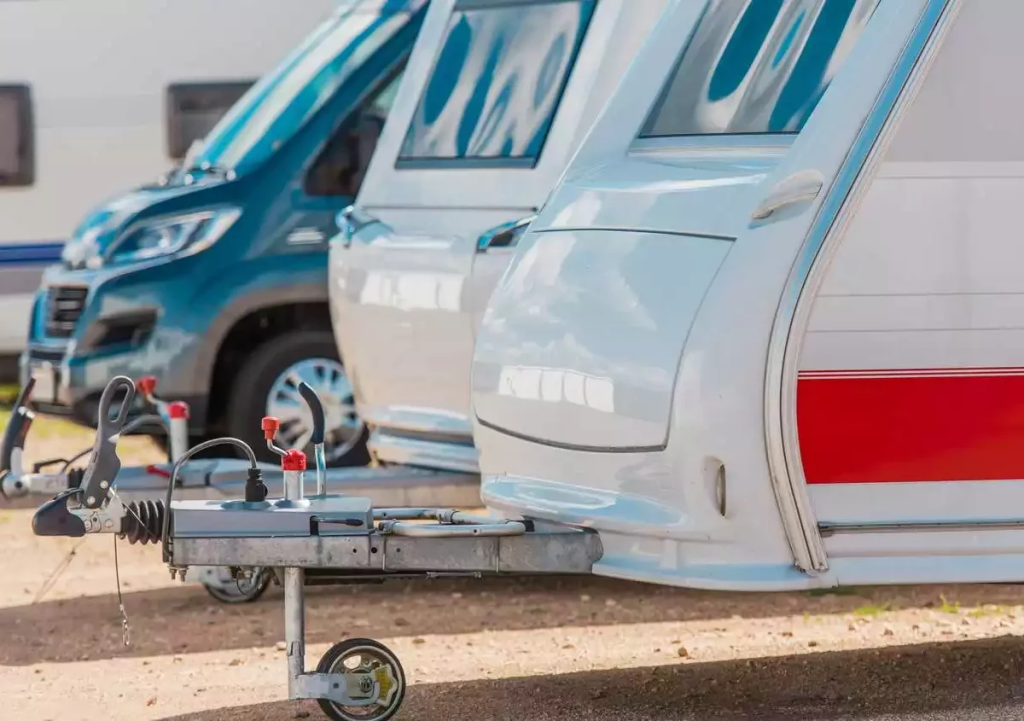
5 Costly Mistakes You’re Making When Storing Your RV (And How to Avoid Them)
Your RV isn’t just a vehicle—it’s your home on wheels, your freedom machine, and in many cases, one of your biggest investments. But here’s the hard truth: if you store it the wrong way, that investment could cost you thousands of dollars before you even take it back on the road.
Think about it. Water damage, dead batteries, mold, pests—it doesn’t take long for these problems to show up when your RV is sitting idle. In fact, RV Life Magazine reports that the average repair bill for freeze damage alone can exceed $2,000 if you don’t properly winterize before storage. You can read their breakdown here.
At FM Storage, we see this mistake all the time. RV owners park their rigs for the winter thinking everything’s fine, only to come back months later to a costly and stressful surprise. The good news? Every single one of these mistakes is preventable with the right preparation.
Expert Insight: “An RV is a moving home. If you wouldn’t leave your house unprotected for six months, you shouldn’t leave your RV that way either.” – Mark Polk, RV Education 101
In this post, we’re going to break down the five most common mistakes RV owners make when storing their vehicles and, more importantly, show you how to avoid them. Whether you’re storing your RV for a couple of weeks or tucking it away for the long Canadian winter, these tips will help you protect your investment and keep your next road trip stress-free.
Ready? Let’s dive into the number one mistake RV owners make—skipping proper winterization.
Mistake #1: Not Properly Winterizing Your RV
If you’re in Canada, this mistake can literally crack your RV wide open. Skipping winterization isn’t just about forgetting antifreeze—it’s about leaving your plumbing, tanks, and seals vulnerable to freezing temperatures that can do thousands of dollars in damage.
Here’s what happens: when water freezes, it expands. That expansion can burst pipes, split holding tanks, and destroy fittings. According to Go RVing Canada, even a small crack in a water line can result in leaks that spread unseen until they rot your flooring and walls.
What Winterization Really Means
Winterizing isn’t complicated, but it does require a step-by-step process:
- Drain and bypass your water system (including hot water heater and holding tanks).
- Pump RV-safe antifreeze through the lines to prevent freezing.
- Inspect seals and roof vents for cracks or gaps where water could enter.
- Check your propane system—a leak in cold weather can be both costly and dangerous.
Pro Insight: “Every winter, we get calls from RV owners who thought ‘just draining the tank’ was enough. It isn’t. You need to run antifreeze through the system, or you’ll almost certainly pay for it in spring.” – Technician at FM Storage
The Cost of Neglect
Not winterizing properly can cost you:
- $200–$500 to repair a burst water line
- $1,000–$2,000 to replace a holding tank
- $5,000+ if water damage spreads through floors or walls
Compare that to the $100–$200 average cost of professional winterization and the choice is obvious.
If you’re not comfortable doing it yourself, a trusted facility like FM Storage can connect you with professionals who handle RV winter prep. Learn more at: https://www.fmstorage.ca/
Mistake #2: Storing Without Battery Care
Your RV’s battery is like its heartbeat—ignore it during storage, and you’ll come back to a dead rig. The truth is, RV batteries don’t like to sit idle. They slowly discharge, even when nothing is running, and cold Canadian winters make it worse.
According to Interstate Batteries, an unused RV battery can lose up to 10% of its charge per month in normal conditions—and even faster in freezing temperatures.
Why This Matters
- A dead battery isn’t just an inconvenience—it can shorten its overall lifespan.
- Replacing a deep-cycle RV battery can cost $200–$400 (and many RVs require multiple batteries).
- A neglected battery can freeze, crack, and leak acid, causing damage to your RV’s compartments.
Battery Storage Best Practices
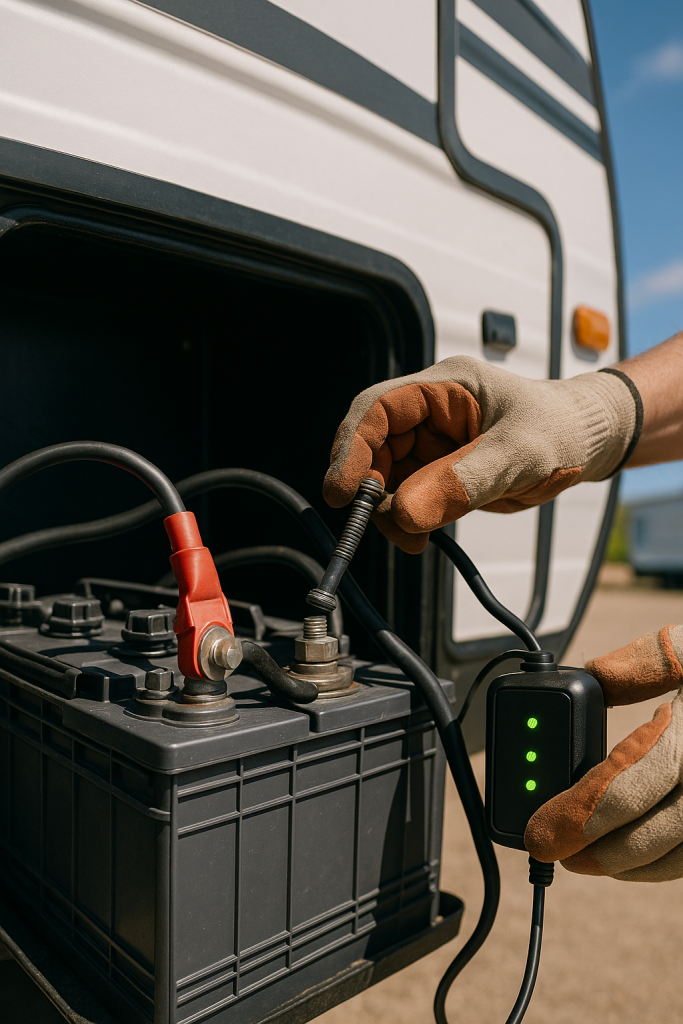
- Disconnect it: Always disconnect the battery before storage to prevent phantom drains.
- Trickle charge: Use a battery maintainer or trickle charger to keep it topped up.
- Remove it entirely: If possible, take the battery out and store it in a cool, dry location where it won’t freeze.
- Check water levels: For flooded lead-acid batteries, top up distilled water before long-term storage.
Expert Insight: “The number one mistake RV owners make with their batteries is assuming they’ll ‘just be fine.’ Batteries need maintenance even when you’re not using your RV.” – RV Tech Training Specialist, RVIA
At FM Storage, we see this problem every year when customers bring their RVs out of storage. Our recommendation? Pull the battery or keep it maintained with a trickle charger throughout the season. Learn more about our RV storage options at: https://www.fmstorage.ca/
Mistake #3: Failing to Ventilate and Prevent Moisture
Moisture is one of the sneakiest—and most expensive—problems RV owners face during storage. Even if your RV is sealed tight, condensation can build up inside. And once moisture is trapped, you’re only a step away from mold, mildew, and those musty odors that seem impossible to get rid of.
The Canadian climate makes this especially tricky. In areas like British Columbia and Alberta, temperature swings between day and night create the perfect conditions for condensation. According to the Government of Canada’s guide on mold prevention, even a small amount of moisture left unchecked can lead to serious health and structural problems.
Why Ventilation Matters
Without airflow, your RV becomes a closed-off box where humidity has nowhere to go. That trapped moisture seeps into upholstery, wood, and insulation. By the time you discover it in spring, the damage is already done.
How to Protect Your RV From Moisture
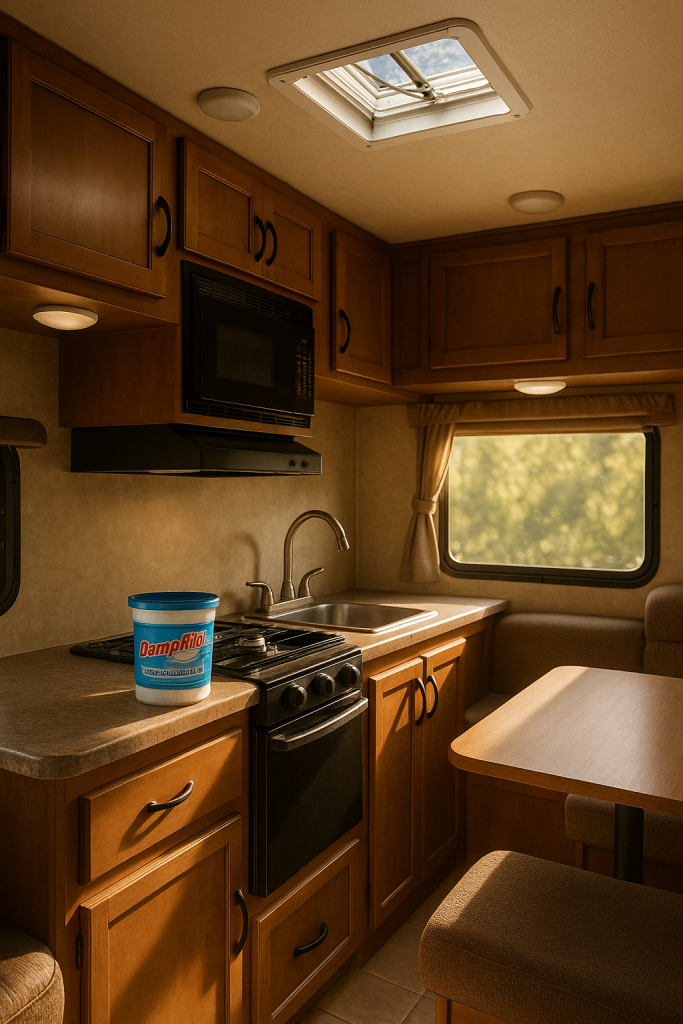
- Crack roof vents slightly to allow airflow (just enough to prevent condensation, but not pests).
- Use moisture absorbers like DampRid or silica gel packs to capture humidity.
- Invest in a breathable RV cover—plastic tarps trap moisture, while covers designed for RVs allow proper ventilation.
- Check periodically during storage if possible, especially after wet weather.
Expert Insight: “Mold doesn’t take months to form—it can show up in as little as 24 to 48 hours if the conditions are right. Proper ventilation is the cheapest insurance you’ll ever buy for your RV.” – John Anderson, RV Care Specialist
At FM Storage, we’ve seen RV owners skip this step, only to discover water-stained ceilings and moldy upholstery in the spring. The fix? Simple ventilation and the right storage environment. To learn more about safe and secure storage solutions in Fort McMurray, visit: https://www.fmstorage.ca/
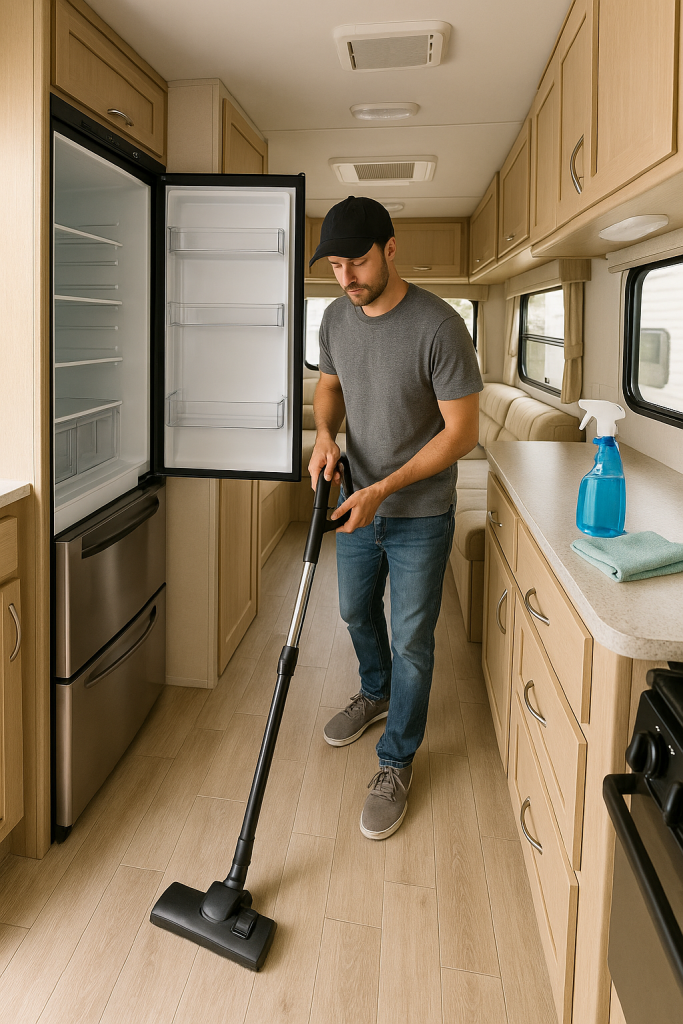
Mistake #4: Ignoring the Importance of Clean Storage Space
Here’s a mistake that doesn’t get enough attention: putting your RV into storage dirty. It might seem harmless, but dirt, food crumbs, and even dust can invite problems that are costly to fix later.
Think about it—food residue attracts rodents and insects, while grime and road salt on the exterior can eat away at your finish over the winter. According to KOA’s RV Cleaning Guide, pests are one of the biggest issues RV owners face during long-term storage, and they almost always get in through smells and food sources left behind.
Why Cleaning Matters Before Storage
- Rodent prevention: Mice and rats love to chew through wiring and insulation. Once inside, they can cause thousands in damage.
- Protecting finishes: Road salt and dirt left on your RV’s exterior can lead to corrosion and staining.
- Odor control: Stale smells linger for months if you store your RV without a thorough cleaning.
Steps to Clean Before Storage
- Exterior wash: Remove salt, dirt, and debris. Waxing before storage adds an extra layer of protection.
- Interior sweep: Vacuum and wipe down all surfaces, including hidden spots like under cushions.
- Empty the fridge and pantry: Even sealed packages can attract pests.
- Seal openings: Use steel wool or pest deterrents in potential entry points like vents and wiring gaps.
Expert Insight: “Rodents don’t need a wide-open door to get into your RV—just a gap the size of a dime. Cleaning thoroughly and sealing openings is your first line of defense.” – RV Care Canada Pest Prevention Specialist
At FM Storage, we recommend customers treat RV storage like closing up a cabin for the season. A clean, sealed RV goes in safe—and comes out ready to hit the road. Learn more about safe storage preparation at: https://www.fmstorage.ca/
Mistake #5: Choosing the Wrong Storage Facility
Here’s the big one. Even if you winterize, pull your battery, ventilate, and clean—all that work can go to waste if you store your RV at the wrong facility.
A lot of owners make the mistake of choosing based on price alone. But here’s the reality: the cheapest option often means the least secure, least protected space. An RV sitting in an open field with no cameras, no fencing, and no monitoring is an open invitation for theft, vandalism, and weather damage.
According to the Insurance Bureau of Canada, vehicle theft (including RVs) costs Canadians close to $1 billion each year in insurance claims and losses.
What to Look for in an RV Storage Facility
- Security: Look for 24/7 monitoring, fencing, and gated access.
- Accessibility: Do you need year-round access or seasonal? Make sure the facility matches your needs.
- Indoor vs. outdoor storage: Indoor or covered storage offers maximum protection but may cost more. Outdoor storage should still provide secure fencing and surveillance.
- Climate considerations: In colder regions, covered or indoor storage can make a big difference in reducing weather-related wear and tear.
Expert Insight: “Your RV is likely one of the biggest investments you own outside of your home. Choosing a secure, professional storage facility is just as important as winterizing or battery care.” – FM Storage Team Lead
At FM Storage, we’ve designed our facilities in Fort McMurray to keep RVs secure year-round. With gated access, video surveillance, and well-maintained lots, you’ll know your RV is protected while it’s not in use. To explore safe storage options, visit: https://www.fmstorage.ca/
Conclusion: Protect Your RV, Protect Your Investment
Here’s the bottom line: your RV isn’t just a vehicle—it’s your ticket to freedom, adventure, and countless memories on the open road. But if you cut corners when storing it, that freedom comes with a hefty repair bill in the spring.
Let’s recap the five most common mistakes RV owners make when storing their rigs:
- Not properly winterizing – leaving plumbing systems vulnerable to freezing and cracking.
- Storing without battery care – leading to dead or permanently damaged batteries.
- Failing to ventilate and prevent moisture – creating the perfect environment for mold and mildew.
- Ignoring the importance of clean storage space – inviting pests, rodents, and corrosion.
- Choosing the wrong storage facility – exposing your RV to theft, vandalism, and weather damage.
The good news? Every one of these problems is 100% preventable. With the right preparation and a secure facility, you can put your RV into storage and know it will come out road-ready.
Expert Insight: “An RV is like any other major investment—it needs care even when it’s parked. The more attention you give it in storage, the less money and stress you’ll spend when it’s time to travel again.” – RV Care Expert, Go RVing Canada
At FM Storage, we’ve built our business around giving RV owners peace of mind. With secure, accessible, and well-maintained storage in Fort McMurray, you’ll know your RV is safe until you’re ready to hit the road again.
👉 Book safe and secure RV storage with us today at https://www.fmstorage.ca/
RV Storage FAQs
👉 Ready to avoid costly mistakes and protect your RV the right way? Booksafe and secure RV storage with FM Storage today.