

Storage Resources & Guides

Why Vehicle Storage Matters
Storing your vehicle isn’t just about parking it somewhere; it’s about protecting your investment. Whether you own a car, truck, motorcycle, RV, or trailer, improper storage can cause damage over time, including rust, corrosion, battery failure, flat tires, and even pest infestations.
Long-term neglect can lead to costly repairs and reduced vehicle lifespan. According to Consumer Reports, vehicles left unprepared for storage are more prone to corrosion, mechanical issues, and interior damage.
At FM Storage, we help Fort McMurray residents store their vehicles securely and safely. Our guide is designed to help you understand the steps required to maintain your vehicle’s condition, whether you’re storing it for a few months or over a season.
Key Takeaways:
- Vehicles stored incorrectly are more likely to experience battery, tire, and corrosion problems.
- Proper storage reduces the risk of pest damage and weather-related wear.
- Regular checks and preparation protect your vehicle’s value and performance.
-
5 Mistakes People Make When Storing a Vehicle Outdoors (And How to Avoid Them)
Outdoor vehicle storage gets blamed for a lot of things. Rust. Dead batteries. Flat tires. Moldy interiors. But here’s the reality: Most of that damage doesn’t happen because a vehicle was stored outside. It happens because it was stored incorrectly. A few small mistakes at the beginning can quietly turn into expensive repairs months later….
-
Outdoor RV Storage: How to Protect Your RV Year-Round
Owning an RV is one of those things that just makes life better. More freedom. More flexibility. More time spent exactly where you want to be. Storing it, though… that’s where things can quietly go wrong. Between weather exposure, moisture buildup, and long periods of sitting still, RVs are far more vulnerable than most people…

Preparing Your Vehicle for Storage
Proper preparation is essential to ensure your vehicle remains in optimal condition during storage. Neglecting these steps can lead to unnecessary repairs and complications. Here’s a comprehensive guide to preparing your vehicle for storage:
1. Clean Your Vehicle Inside & Out
Thoroughly cleaning your vehicle before storage is crucial. Dirt, grime, and moisture can cause corrosion and damage over time.
- Exterior Cleaning: Wash the car to remove dirt, road salt, and other contaminants. Apply a coat of wax to protect the paint and prevent rust.
- Interior Cleaning: Vacuum the interior, wipe down surfaces, and remove any food or debris to prevent attracting pests. Consider using a leather conditioner if applicable.
For expert guidance, see Hagerty’s guide on storing classic cars.
2. Change the Oil and Top Off Fluids
Old engine oil contains contaminants that can damage the engine if left for extended periods.
- Oil Change: Replace the engine oil and filter to prevent corrosion and ensure proper lubrication.
- Other Fluids: Top off other essential fluids, including coolant, brake fluid, and windshield washer fluid, to prevent moisture buildup and corrosion.
Learn more from Kelley Blue Book’s long-term vehicle storage guide.
3. Maintain Tire Pressure
Tires can develop flat spots if a vehicle is left stationary for long periods.
- Inflation: Inflate tires to the recommended pressure to prevent flat spots and ensure even wear.
- Elevate the Vehicle: If possible, place the vehicle on jack stands to relieve pressure on the tires.
Additional tire care tips are available from Meemic Insurance.
4. Battery Maintenance
A discharged battery can be a common issue when retrieving a stored vehicle.
- Disconnect the Battery: If you don’t plan to start the car periodically, disconnect the negative terminal to prevent discharge.
- Use a Battery Maintainer: Alternatively, connect the vehicle to a battery maintainer to keep the battery charged without overcharging.
For more advice, see Kelley Blue Book on battery care for storage.
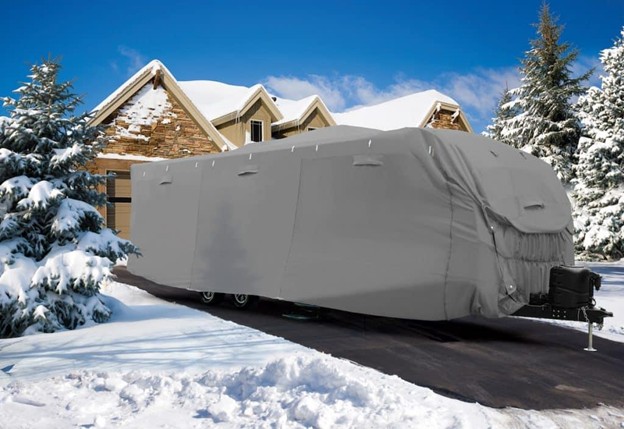
5. Cover the Vehicle
Protecting your vehicle from dust, moisture, and potential damage is essential.
- Indoor Storage: Use a breathable car cover to protect the vehicle from dust and moisture.
- Outdoor Storage: If storing outdoors, use a weatherproof cover to shield the vehicle from the elements.
Reference: Extra Space Storage guide on storing your vehicle.
6. Prevent Pests
Rodents and insects can cause significant damage to a stored vehicle.
- Seal Entry Points: Use steel wool or screens to block any openings, such as the exhaust pipe or air intake.
- Deterrents: Place mothballs or rodent-repellent products around and inside the vehicle to deter pests.
For more information, see Great Water 360 Auto Care guide.




Quick Tips & Guides
Check Your Vehicle Periodically
Start the engine, inspect tires, and ensure there are no leaks or pest issues.
Use Moisture Absorbers
Silica gel packs or similar products can prevent mold and mildew inside the vehicle.
Document the Condition
Take photos before storing your vehicle to have a reference for insurance or maintenance.
Choose the Right Cover
Breathable covers for indoor storage, weatherproof for outdoor.
Security Considerations
Use facilities with gated access, 24-hour lighting, and fenced perimeters.
Regular Maintenance During Storage
Even while in storage, periodic maintenance is essential to keep your vehicle in good condition.
Starting the Engine
Running the engine every few weeks helps circulate fluids and keeps components lubricated.
- Duration: Let the engine run for about 15 minutes to ensure proper circulation of oil and coolant.
- Drive the Vehicle: If possible, take the vehicle for a short drive to prevent flat spots on tires and to keep the battery charged.
Tire Maintenance
Tires can develop flat spots or lose pressure over time.
- Inflation: Check tire pressure regularly and inflate to the manufacturer’s recommended levels.
- Movement: If the vehicle remains stationary, consider placing it on jack stands to relieve pressure on the tires.
For more detailed tire maintenance tips during storage, refer to Extra Space Storage’s guide.
Battery Care
A discharged battery can be a common issue when retrieving a stored vehicle.
- Battery Maintainer: Use a battery maintainer or trickle charger to keep the battery charged without overcharging.
- Disconnection: If a maintainer isn’t available, disconnect the battery to prevent discharge.
For more on battery maintenance during storage, consult Kelley Blue Book’s advice.
Seasonal Advice
Different seasons require different storage considerations to keep your vehicle safe.
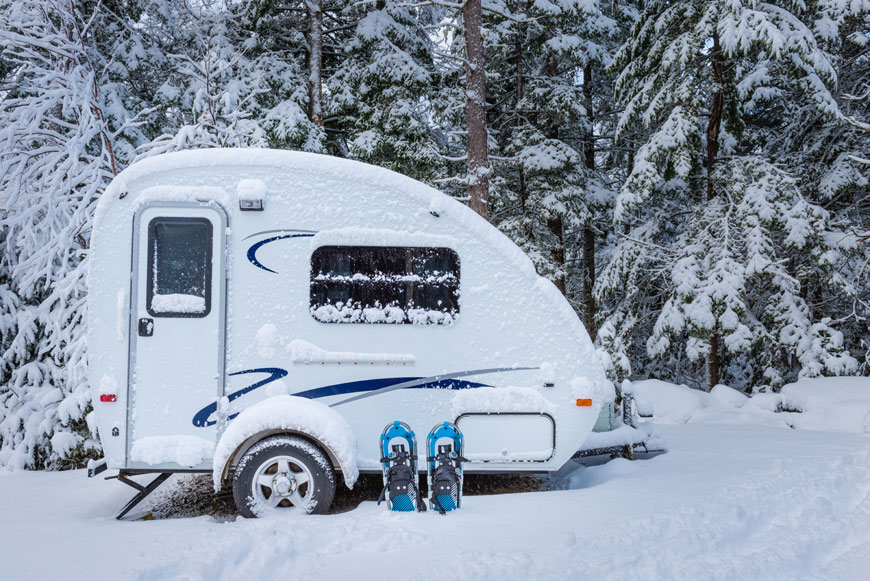
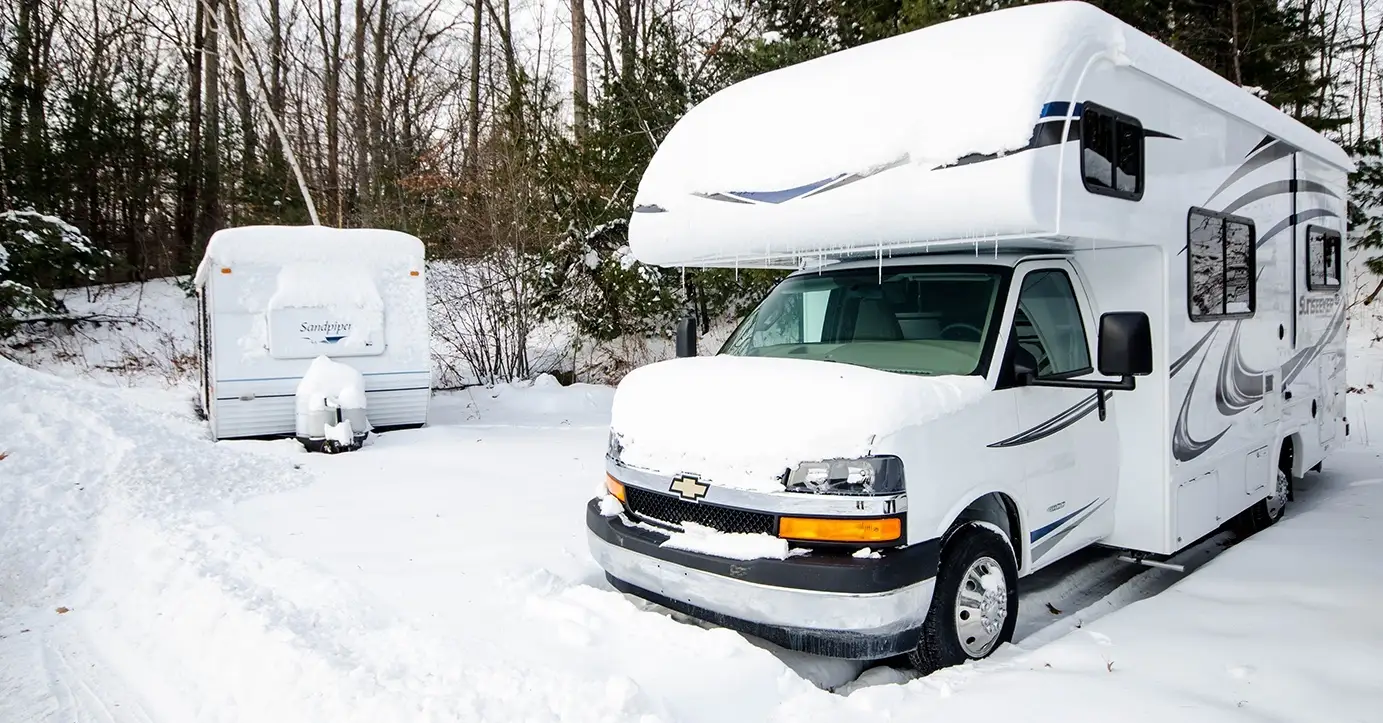
Winter Storage Prep
Spring RV Pickup Tips
Moving & Downsizing Tips
Long-Term & Short-Term Storage Options
FM Storage offers flexible options to meet your storage needs, whether you require seasonal, short-term, or long-term storage.
Short-Term Storage
- Ideal for seasonal vehicles, RVs, or boats.
- Provides easy access for frequent retrieval.
Long-Term Storage
- Ensures tires, battery, and interiors remain in optimal condition.
Proper planning and choosing the right storage duration can help reduce maintenance costs and preserve your vehicle’s value.
For guidance on long-term storage best practices, see Kelley Blue Book: Long-Term Vehicle Storage.